.jpg)


.jpg)

 English daily published in Bengaluru & Doha

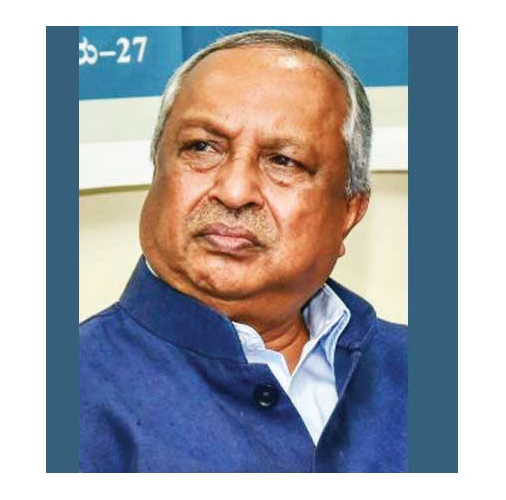
Time has come to end political quid pro quo appointments: Justice Nagamohan Das
Rachana Ramesh | NT
Bengaluru: The appointment of former Supreme Court judge S Abdul Nazeer, who was part of the benches that heard significant and sensitive cases including the Ayodhya land dispute and the triple talaq challenge, as Governor of Andhra Pradesh has sent ripples through political and legal circles with opposition parties questioning the propriety of the move.
The nomination has raised many questions as Justice Nazeer is the third judge from the fivejudge bench that announced the Ayodhya ruling to receive a post-retirement appointment from the government. The nomination came just five weeks after his retirement on January 4.
“If it is a plain appointment, I welcome a Kannadiga becoming governor of a particular state. But if it is for quid pro quo, a gift for a certain judgement or views expressed earlier, I am unhappy about the decision,” said retired High Court judge Justice H N Nagamohan Das.
He added that the time has come to put an end to political quid pro quo (meaning, a favour or advantage granted in return for something) appointments. Former CJI Ranjan Gogoi, who headed the bench on the Ayodhya dispute was nominated as a member of the Rajya Sabha.
Another judge on the bench, Justice Ashok Bhushan, was appointed chairperson of the National Company Law Appellate Tribunal in 2021, only four months after he retired. Although it is not the first time that a former judge of the Supreme Court has been appointed as governor of a state, this is the first time that a former SC judge has been appointed so soon after his or her retirement.
“It is the power of the state to appoint anyone as the governor. This is the narrative the state wants to circulate for it sends the message – who are with us, we protect and provide for them. This is not how it must be looked at,” said BT Venkatesh, former state public prosecutor.
Speaking about the matter, Justice Santhosh Hegde, former judge of the Supreme Court and former Lokayukta for Karnataka, said that judges have been appointed to various positions under the many regimes the nation has seen and that this is not a new phenomenon.
He alleged that questions are being raised only because Justice Nazeer belongs to the Muslim community and “merely because the judgement (Ayodhya land dispute) is not liked”. He noted that even if he had dissented, the judgement would have remained the same as the majority were in its favour.
Justice Nazeer had earlier dissented against the 4:1 majority view that refused to refer the issue to a larger bench. Justice Hegde said that incidents such as this must not be selectively looked at as the phenomenon is not new and the law does not forbid it, so everybody appointed must be called out without discrimination.



.jpg)

