.jpg)


.jpg)

 English daily published in Bengaluru & Doha

Skincare for winter
In winter, the skin tends to become laky and more sensitive. Small changes can help you deal with winter dryness.
Dr. Bhavyashree
Winter is fast setting in and there is a chill in the air. The dry, cold air often has an adverse effect on one’s skin if not attended to properly. However, change in season does not call for a drastic change in the products one uses, but rather it is important to understand one’s own skin and how it reacts to different seasons and products. Subtle changes can then be made to ensure healthy skin. In winter, the skin tends to become drier and more sensitive. Normally, after washing, skin should feel hydrated.
A common perception is that if you think that your skin feels tight after washing, it could be that the cleanser did not agree with your skin. It might be a good idea to shift to a gentler cleanser. Always use warm water to wash your face and moisturise immediately. Use a gentle exfoliant rather than physical scrub. However, avoid if skin is cracked, raw or irritated. If the moisturiser you are using is not effective, you could consider alternate occlusive ingredients like shea butter, cocoa butter or jojoba oil. Regular facials, especially in winter, help to keep your skin clear, hydrated and clean.
Production of Vitamin D in the body can drop during winter, therefore it is important to get a little sun whenever possible. However, it is advisable to use sunscreen during the day with an SPF of at least 30. When applying a moisturiser during the day, it is quite likely that you will need to tweak your skincare routine a bit. If you are using a lotion, you could switch to a cream, as it will have maximum effect within 30 seconds. It is very important to complete the cycle by moisturising the skin at night.
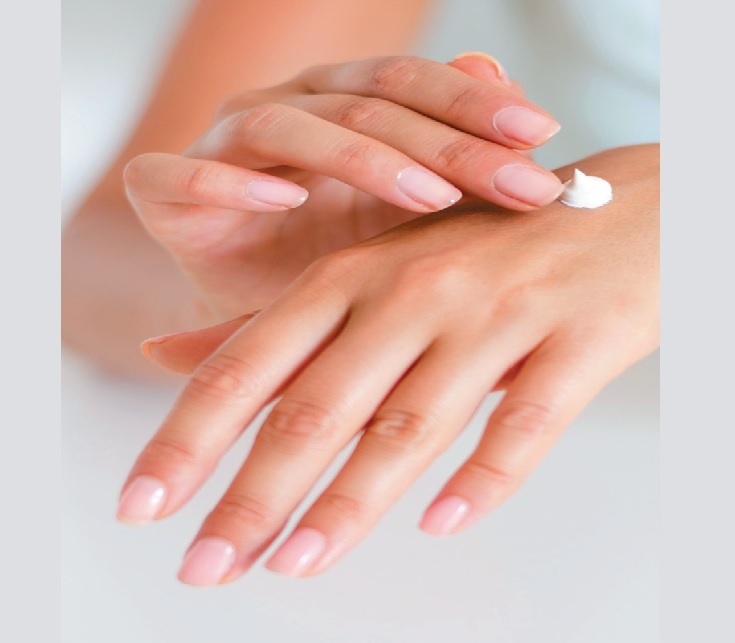
Hands often become chapped and sore in winter; use a good hand cream to avoid this. New mothers should avoid baby wipes with their bare hands during winter, as they contain preservatives that can trigger hand eczema. It is advisable to wear gloves when handling wet wipes. Lips are often one part of the body that gets badly affected during winter. To avoid chapped, dry and cracked lips, use a non-sticky and ultramoisturising lip balm.
Take regular baths during winter as it provides the much-needed relaxation to stress hormones that can damage the skin. However, remember to have warm water baths, and make it quick. Prolonged baths during winter can have adverse effects on the skin. You can engage in a pre-shower body massage using essential oils that are rich in minerals and vitamins A, E and D, which should be washed off after 10 to 15 minutes with a mild soap or natural cleanser.
It is very important to hydrate from the inside. Sip warm water throughout the day to stay hydrated as no amount of moisturisation can make up for dehydration if you don’t drink water regularly. You can indulge in hot teas as well, such as green tea, lemon honey tea etc.
Avoid too much intake of alcohol, as it can increase inflammation of the skin and aggravates skin diseases like eczema. It also has a dehydrating effect on the body in general. Alcohol disturbs sleep, which is necessary for skin regeneration and general skin health leading to dull looking skin. Also avoid caffeine as it too causes dehydration. Include nuts and olive oil in your diet during winter, as they will nourish your skin from within. Focus on eating food that is rich in antioxidants and omega 3 fatty acid.
Flaky or scaly skin, redness, itchy and burning sensation, rough texture, quick irritation of the skin are some of the red flag signs of dry skin.
(Dr Bhavyashree is a consultant dermatologist at Specialist Hospital.)
.jpg)




