.jpg)


.jpg)

 English daily published in Bengaluru & Doha

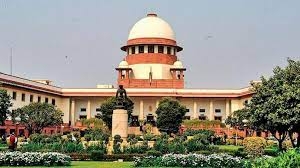
Criticism of J&K spl status abrogation not an offence: SC
NT Correspondent
New Delhi: In a significant ruling, the Supreme Court on Thursday quashed a criminal case against a professor for his WhatsApp status criticising the abrogation of Article 370, describing it as a 'Black Day' for Jammu and Kashmir, reports Live Law.
Quashing the case against him registered under Section 153A of the Indian Penal Code (promotion of communal disharmony), the Court observed: “Every citizen of India has a right to be critical of the action of abrogation of Article 370 and the change of status of Jammu and Kashmir. Describing the day the abrogation happened as a 'Black Day' is an expression of protest and anguish. If every criticism or protest of the actions of the State is to be held as an offence under Section 153-A, democracy, which is an essential feature of the Constitution of India, will not survive.”
The court's verdict, handed down by a bench of Justices Abhay S Oka and Ujjal Bhuyan emphasises the fundamental right of citizens to express dissent and criticism, particularly in matters of public importance.
The case centred on Professor Javed Ahmed Hajam, against whom the Maharashtra Police registered an FIR under Section 153A of the Indian Penal Code for his WhatsApp messages regarding the abrogation of Article 370.
The case centred on Professor Javed Ahmed Hajam, against whom the Maharashtra Police registered an FIR under Section 153A of the Indian Penal Code for his WhatsApp messages regarding the abrogation of Article 370. In a WhatsApp group of teachers and parents, he posted the messages, “August 5 – Black Day Jammu & Kashmir.",“14th August – Independence Day Pakistan.”
"If a citizen of India extends good wishes to the citizens of Pakistan on 14th August, which is their Independence Day, there is nothing wrong with it. It’s a gesture of goodwill," said the Supreme Court adding that it cannot amount to an offence under S.153A IPC.

.jpg)
.jpg)
.jpg)