.jpg)


.jpg)

 English daily published in Bengaluru & Doha

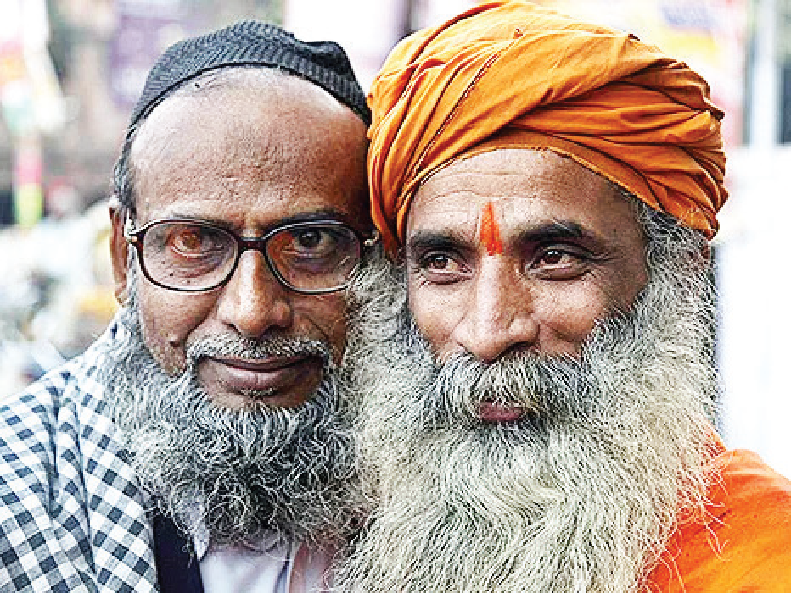
Excluded yet embracing: Muslims open doors to Kumbh yatris
NT Correspondent
Prayagraj/Bengaluru: Even before the Kumbh Mela began on January 13, there were calls to exclude Muslims from the pilgrimage site. The likes of Akhil Bhartiya Akhada Parishad Chief Mahant Ravindra Puri on January 1 claimed that Muslims would “spit and urinate” and should therefore be prevented from setting up shops in the area. The demands were heeded and Muslims were excluded. Kumbh Mela is a Hindu festival celebrated in Prayagraj district at the spot where three rivers Ganga, Jamuna and Saraswati meet.
The latter is a mythical river. However, ironically, the Maha Kumbh conducted this year brooked an assault on the Ganga-Jamuna tehzeeb, the syncretic Hindustani culture common to Hindus and Muslims of the doab region where the festival happens. Fate would have it that the pilgrims would make their way to Muslim localities. On January 29, the day on which the Mouni Amavasya Amrit Snan (a holy dip) took place, a stampede near the Sangam (confluence) claimed 35 to 40 lives and left 60 injured.
10 localities offer succour: Local media reported that Kumbh pilgrims passing through Muslim localities like Khuldabad, Nakhhas Kohna, Roshan Bagh, Himmatganj, Rani Mandi, and Shahganj were provided relief by the residents. The doors of mosques, shrines, dargahs, imambaras (halls where Shia Muslims mark Muharram) and homes were thrown open to at least 25,000 pilgrims, amid the winter chill. Fleeing Kumbh attendees were also provided with food and blankets. BBC Hindi reported on the aftermath of the stampede.
Prayagraj native Aftab Ahmed had helped set up a food bank for the pilgrims. “The biggest problem was lodging and toilets. These pockets are all Muslim localities, which opened the doors of their houses. The major need was that of bathrooms and of getting fresh. Everyone helped and people of all religious faiths contributed,” he told BBC.
Upholding syncretism: A local Saeed Ashraf said that the Muslims of the area followed the syncretic culture of the region through their humanitarian service. “The food bank that we have been running here since yesterday, is another manifestation of the ‘Ganga-Jamuna tehzeeb’ that we’ve been practising for years. Yesterday, we had the kind of rush that we’d never seen before.
The food bank started handing out meals from 11 in the morning and continued till 9 pm at night. In the lanes inside, we’ve thrown open the doors to our houses. We provided them with blankets and other essentials. People had been suffering greatly and we did our best to aid them,” he said.
Sonam Dangi, a stranded pilgrim said that she had received a warm welcome by the locals. “We are a party of 12 people. We have been here since last night. These people are helping us out a great deal,” she said. Another local Mansoor Usmani said that these were mixed neighbourhoods and Sikhs in the area had also come forward to help Hindu pilgrims.



.jpg)

