.jpg)


.jpg)

 English daily published in Bengaluru & Doha

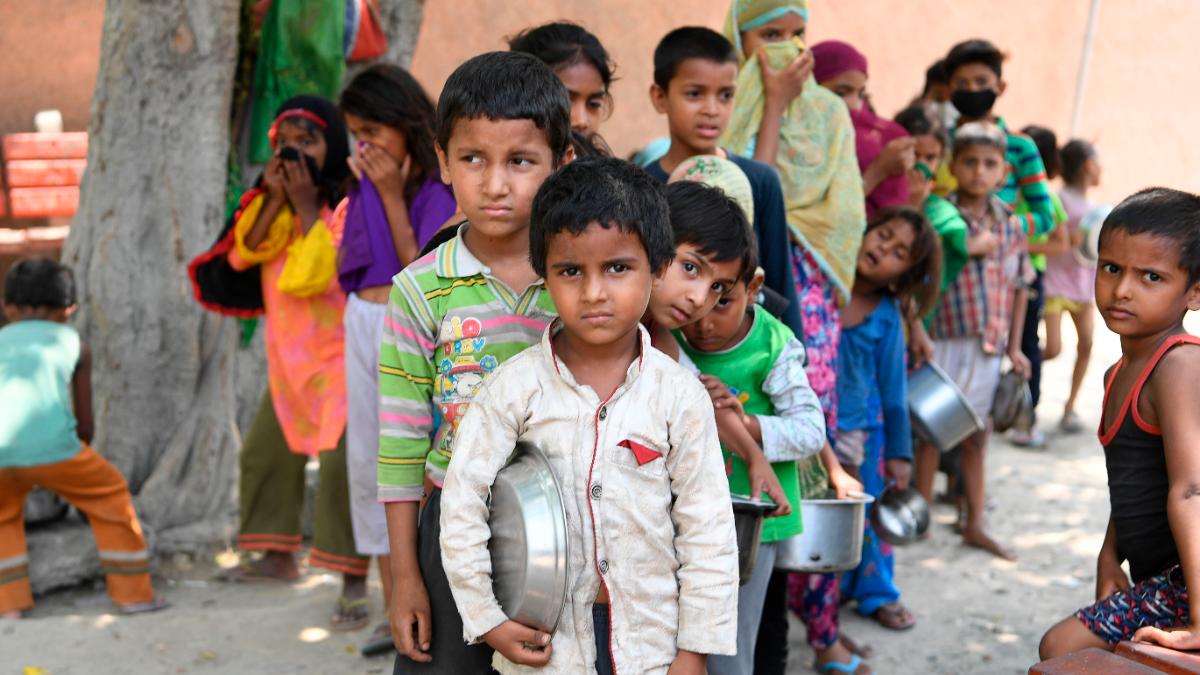
Poverty, inequality, wage gapjust too high
New Delhi: The Congress expressed concerns on Sunday over a recent World Bank report that said poverty and inequality remain concerningly high in India, and requested the Centre to take steps, including bringing in GST reforms and ending corporate favouritism.
Citing the World Bank's poverty and equity brief for India in April 2025, Congress general secretary, communications, Jairam Ramesh said three months after its release, the Narendra Modi government's "drumbeaters and cheer-leaders have begun spinning the World Bank's data to make the staggeringly out-of-touch claim that India is among the world's most equal societies".
He said in a statement issued on April 27, the Congress had highlighted some of the key concerns that the World Bank had raised in its report. "These concerns continue to be relevant, and any attempt to engage with the report must grapple with them seriously," the Congress leader said. He said the World Bank report highlights that wage disparity is high in India, with the median earnings of the top 10 per cent being 13 times higher than the bottom 10 per cent in 2023-24.
"As a lower middle-in-come country, the appropriate rate to measure poverty in India is that of USD 3.65/day. By this measure, the poverty rate for India in 2022 is significantly higher at 28.1 per cent," Ramesh said, citing the report. "The report is therefore rather clear: poverty remains concerningly high, and so does inequality," the former Union minister added.
He said the good news that the Centre is so des- perately trying to wrangle out of this report is partly attributable to the limited availability and uncertain quality of government data as well as to the selection of bench- marks to measure poverty. "No country that has a poverty rate of 28.1 per cent can make a justifiable claim to being one of the most equal societies in the world," the Congress leader said.
"Social welfare systems such as MGNREGA and the National Food Security Act, 2013 cannot be abandoned but must be strengthened to ensure that they protect these segments from negative shocks," he said. Ramesh said the Congress's long-standing demands for increasing wages under the Mahatma Gandhi National Rural Employment Guarantee Act (MGNREGA), conducting the decadal population census (now scheduled to be carried out in 2027) and bringing 10 crore additional people within the ambit of the NFSA find new urgency in light of these numbers.
Ramesh further alleged that sharpening inequality is now firmly embedded in the nature of India's eco- nomic growth and its trajectory, fuelled by the BJP- led Centre's policies and the widening gap between the privileged few and the dispossessed many, can no longer be denied. (PTI)

.jpg)
.jpg)
.jpg)