.jpg)


.jpg)

 English daily published in Bengaluru & Doha

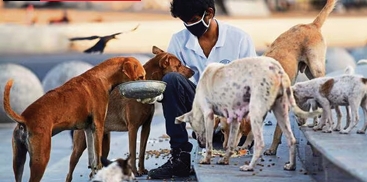
Chicken-rice for strays: A band-aid on a bigger wound
Bengaluru: Feeding chicken-rice to stray dogs may sound like a compassionate move but experts warn it’s no substitute for systematic sterilisation, consistent vaccination, and better waste management. Bengaluru’s civic body, Bruhat Bengaluru Mahanagara Palike (BBMP), has f loated a plan to serve chicken rice to 5,000 street dogs every day at an annual cost of Rs 2.88 crore.
The plan, aimed at curbing dog aggression and improving pub lic safety, has drawn both kudos and flak. While animal activists and pet lovers have called it a humane and compassionate effort, critics have slammed it as a misuse of taxpayer money. The feeding drive comes amid growing concerns over public safety.
Between January and August 2024 alone, Bengaluru reported 18,822 dog bite cases, according to government data. It may be added that the BBMP has already launched a pilot project to implant grain-sized microchips in stray dogs, helping monitor their territory, sterilisation, vaccination status, and health.
According to BBMP’s Special Commissioner (Animal Husbandry), the food will be provided in areas where capturing dogs or reducing their population has proven difficult.
Per zone,100 feed ing spots will be set up across the city, serving food to an estimated 500 dogs daily, all year round. The initiative is not a welfare scheme but a population control strategy that aligns with the Animal Birth Control Rules, 2023, the BBMP has stated. BBMP aims to vaccinate 1.84 lakh stray dogs in Bengaluru un der a combined vaccine program.
This program is being implemented for the first time, using a multi disease vaccine for stray dogs, according to media reports. The BBMP has also been running an Animal Birth Control (ABC) and anti-rabies vaccination (ARV) program.
In addition to the combined vaccine program, the BBMP has also been working on vaccinating stray dogs against rabies, with a target of vaccinating 800 dogs per day. This is part of a broader effort to eliminate rabies in Bengaluru by 2030. As per BBMP reports, there is a 10 percent reduction in the street dog population compared to the previous survey in 2019, which had estimated the figure at 3,10,000.
At the same time, the overall neutering percentage has in creased by 20 percent, from the estimated 51.16 percent in 2019 to 71.85 per cent, leading to a reduction in puppy numbers. Experts have said the city's stray dog crisis is fuelled by inconsistent sterilisation, poor vaccination coverage, and uncontrolled feeding near open garbage sites.
Interestingly, BBMP’s stray feed ing campaign also encourages citizen participation through voluntary contributions, aiming to build a sense of shared responsibility for the welfare of stray animals. This is an area where a huge difference can be made; if only some corporates and philanthropists from the city come forward and contribute, both in feeding as well as in targeted vaccination and sterilisation programmes.
After all, Bengaluru has no dearth of billionaires and corporations with sizable CSR funds.



.jpg)