.jpg)


.jpg)

 English daily published in Bengaluru & Doha

Pant injury a clarion call to rethink red-ball priorities
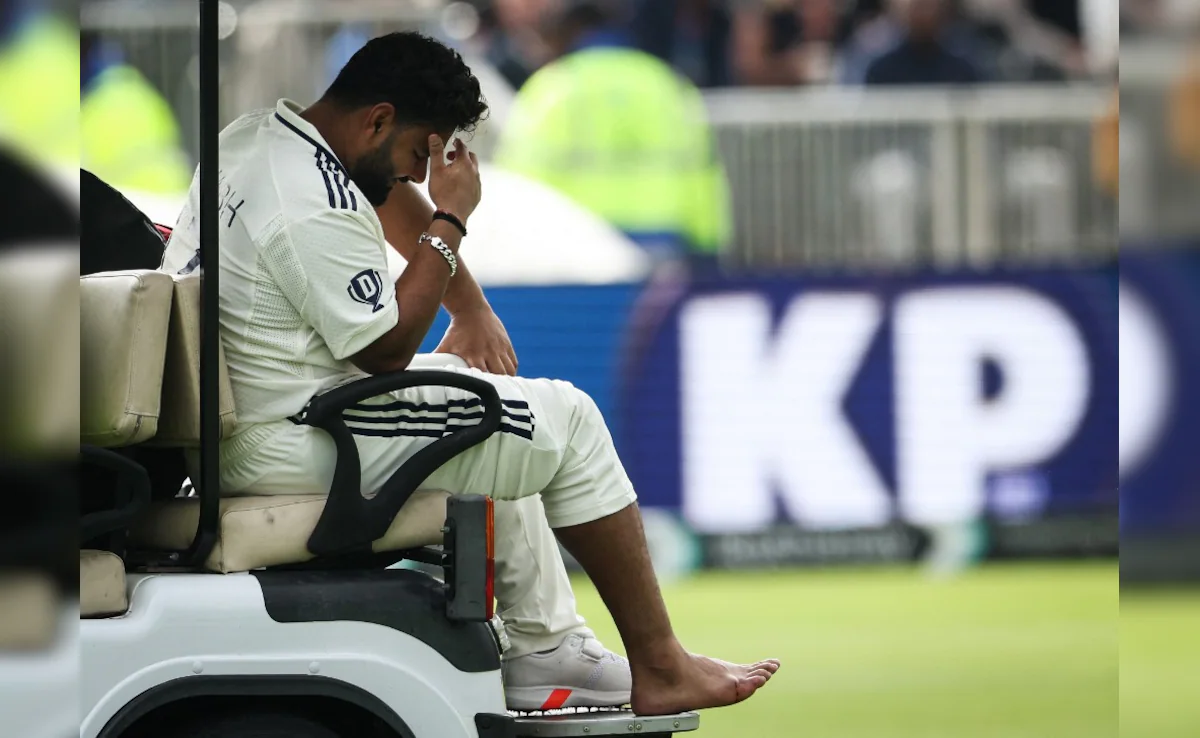
Rishabh Pant’s foot injury during the ongoing Manchester Test has not only shaken India’s immediate prospects in the five match series against England but has once again cast an unforgiving spotlight on the vulnerabilities in the nation’s Test cricket in frastructure. Though he returned to make a valiant half-century – an innings built on grit as much as genius – it would be naïve to overlook the deeper implications of this incident for India’s long-term red-ball aspirations.
Pant’s very presence in this series was, in itself, a testament to human endurance. His recovery from a near-fatal road accident in 2022 remains one of cricket’s most inspirational comeback stories.
However, this latest injury, a suspected toe fracture, underscores the pressing need for smarter workload management, especially for those who shoulder dual responsibilities. As wicketkeeper and middle-order enforcer, Pant embodies perhaps the most physically taxing role in Test cricket. With his brief exit from the field, the fragility of India’s bench strength stood exposed.
The available alternatives – Dhruv Jurel and KS Bharat – though promising, have not yet demonstrated the skill or composure required to anchor an inning under hostile overseas conditions. Jurel, in particular, has shown potential at home, but the English summer, with its pronounced swing and seam movement, is an entirely different proving ground.
That such inexperience must now be considered a contin gency plan in a series-defining Test points to sys temic issues rather than mere bad luck. The root of the problem lies in a skewed devel opmental pipeline. Over the past decade, India’s cricketing establishment has prioritised white-ball success – driven by the commercial behemoth that the Indian Premier League (IPL) has become – often at the expense of nurturing long-format resilience.
The result is a cohort of young crick eters adept at the slam-bang dynamics of T20s but underprepared for the attritional grind of Test matches, especially abroad. This is not merely a question of individual skill, but of institutional foresight. The Board of Control for Cricket in India (BCCI) and the national selectors must urgently recalibrate their long-term strate gies.
Enhanced fitness monitoring, rotation policies that truly give players breathing space, and a reinvigorated India A structure that tours challenging red-ball environments are not luxuries – they are imperatives. Test cricket, by its very nature, demands endurance, mental clarity and technical refinement, qualities that cannot be honed solely in domestic four-day games or by shadowing senior sides.
Pant’s injury may yet turn out to be a passing setback in an otherwise compelling career. But it should serve as a turning point for Indian cricket. No side with aspirations of being a dominant Test force can afford to rely so heavily on a handful of individuals. In an era where cricket’s formats vie for attention and resources, preserving the sanctity and success of the red-ball game requires deliber ate planning, thoughtful grooming of future stars, and above all, a deeper respect for the rhythm and rigour of Test cricket.
.jpg)
.jpg)
.jpg)
.jpg)
.jpg)
.jpg)