.jpg)


.jpg)

 English daily published in Bengaluru & Doha

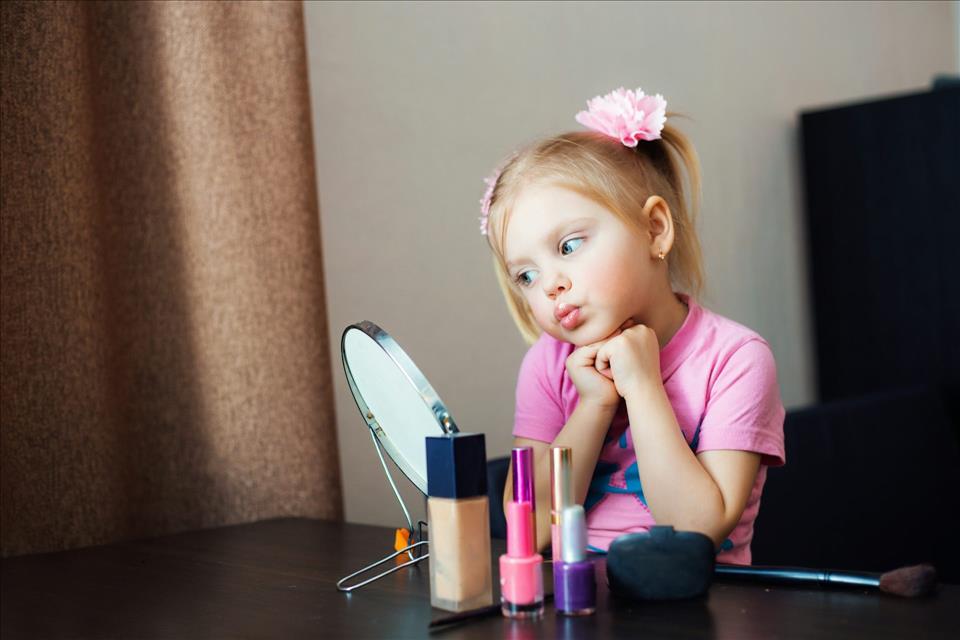
Using cosmetics on babies, children may disrupt hormones
The Conversation
Lancaster (UK): Would you dab perfume on a six month-old? Paint their tiny nails with polish that contains formalde hyde? Dust bronzer onto their cheeks? An investigation by the Times has found that babies and toddlers are routinely exposed to adult cosmetic products, including fra granced sprays, nail polish and even black henna tattoos.
While these may sound harmless – or even Instagram-friendly – the science tells a more concerning story. Infant skin is biologically different from adult skin: it's thinner, more absorbent and still developing. Exposure to certain products can lead to immediate problems like ir ritation or allergic reactions, and in some cases, may car ry longer term health-risks such as hormone disruption.
This isn't a new concern. A 2019 study found that every two hours in the US, a child was taken to hospital be cause of accidental exposure to cosmetic products. Newborn skin has the same number of layers as adult skin but those layers are up to 30% thin ner. That thinner barrier makes it easier for substances, including chemicals, to penetrate through to deeper tissues and the blood stream.
Young skin also has a higher water content and produces lessse bum (the natural oil that protects and moistur ises the skin). This makes it more prone to water loss, dryness and irritation, particularly when exposed to fragrances or creams not formulated for infants. The skin's microbiome – its protective layer of beneficial microbes – also takes time to develop.
By age three, a child's skin finishes establishing its first microbiome. Before then, products applied to the skin can disrupt this delicate balance. At puberty, the skin's structure and microbiome change again, altering how it responds to products. The investigation found that bronzers and nail polish were being used on young children.
These products often contain harmful or even carcinogenic chemicals, such as formalde hyde, toluene and dibutyl phthalate. Toluene is a known neurotoxin, and dibutyl phthalate is an endocrine disruptor – a chemical that can inter fere with hormone function, potentially affecting growth, development and fertility.
Both sub stances can more easily pass through infants' thinner, more permeable skin. Even low-level exposure to formaldehyde, such as from furniture or air pollution, has been linked to higher rates of lower respiratory infections in children (that's infections affecting the lungs, airways and wind pipe). Irritating ingredients In the US, one in three adults experiences skin or respiratory symptoms after exposure to fragranced products.
If adults are reacting, it's no surprise that newborns and children with their developing immune systems are at even greater risk. Perfumes often contain alcohol and volatile compounds that dry out the skin, leading to red ness, itching and discomfort.
Certain skincare ingre dients have also been studied for their potential to affect hormones, trigger allergies or pose long-term health con cerns:-Alkylphenols used in detergents and cosmet ics may disrupt hormone activity.-Antimicrobials such as triclosan can interfere with thyroid hor mones and contribute to antibiotic resistance. -Bisphenols, (BPA widely used in packaging are linked to hormone disruption.-Cyclosiloxanes (D4 and D5) may accumulate in the body and affect hormonal balance.-Ethanolamines can react with other ingre dients to form nitrosa mines, some of which are potential carcinogens.-Parabens are pre servatives that mimic oestrogen, though some studies suggest minimal risk at low doses. -Phthalates used infragrances and plastics are linked to reproduc tive toxicity, especially in early-life exposures.