.jpg)


.jpg)

 English daily published in Bengaluru & Doha

A mutually beneficial deal
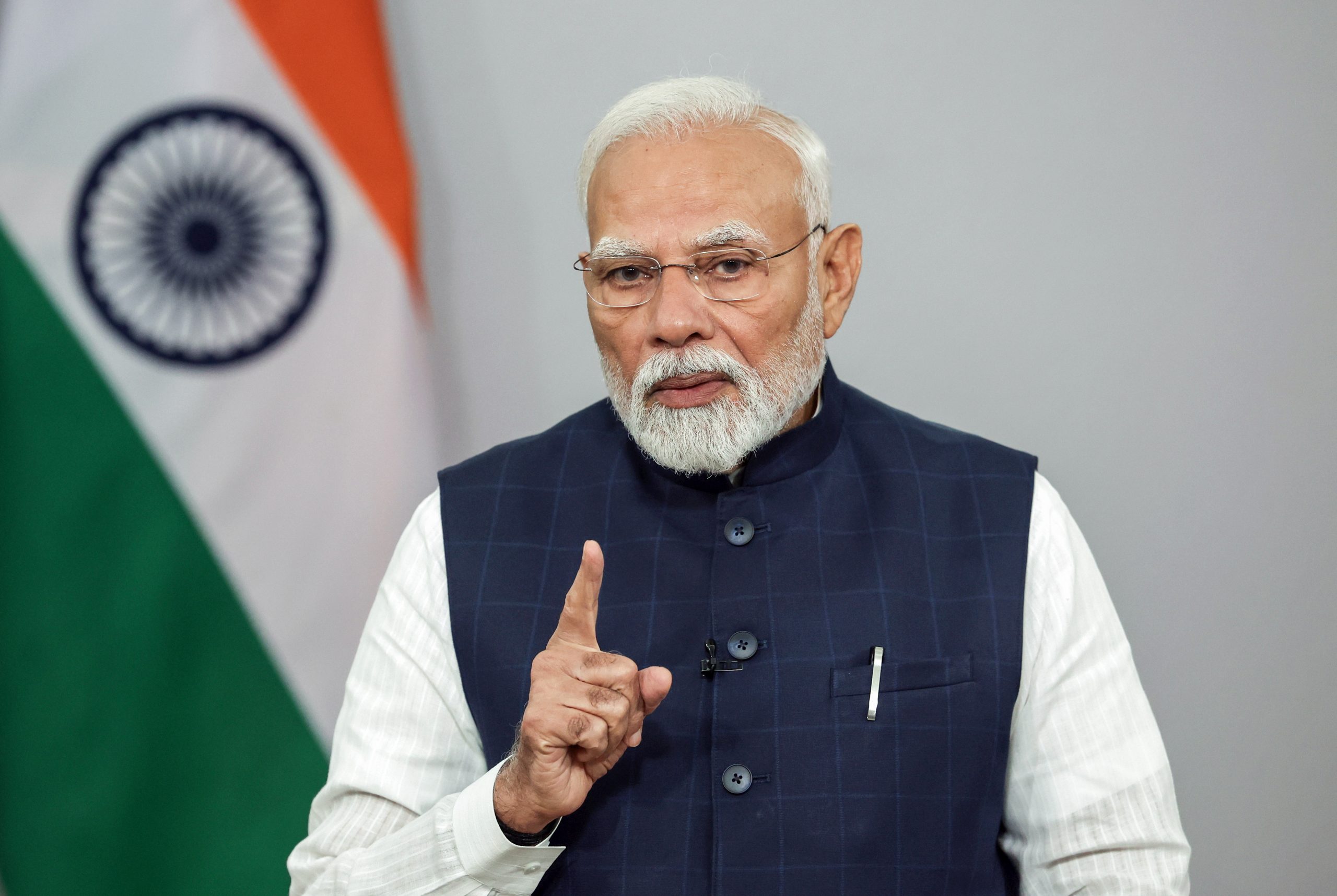
Prime Minister Narendra Modi’s hugely successful visit to the United Kingdom has resulted in a mutually beneficial trade deal following signing of the Compre hensive Economic and Trade Agreement (CETA) between the two nations. The deal also known as Free Trade Agreement, inked on July 24, has been in the making over the last three years with 14 rounds of parleys held.
The deal is more welcome as it comes when the largest trade partner around the world, the United States, has been raising high tariff walls and non-tariff barriers. While British Prime Minister Keir Starmer has termed it the most significant trade deal ever since Brexit, it comes loaded with several advantages for India as it cuts import duty from 15% to 3% on a wide array of goods the UK imports from India such as garments, textiles, shoes, leather products, medicines, petroleum products, tele com and electronic instruments, jewellery and silver.
On the other hand, topmost items India imports from Britain include silver, electric machinery, iron and steel, alcoholic beverages, medical equipment, parts of aircraft and spacecraft and copper products. Notably, products exported by India include several from labour-intensive in dustries such as textiles, garments, shoes and electronic products which are likely to receive a fillip for a nation looking for work for hands.
Much of these would attract zero or near zero duty while being imported for the UK market. Under the deal, the UK has removed tariffs on 99% of its product line. An analysis by the Global Trade Research Initiative says, about $6.5 billion or 45% of what India currently exports to the U.K. — such as textiles, footwear, carpets, automo biles, seafood, and fresh fruits such as grapes and mangoes — will now enter the U.K. duty-free.
Agriculture sector accounts for 1,430 tariff line, which constitute 14.8% of all tariff lines.The benefits can be imagined as farm ex ports accounted for US $ 811 million in 2022-23. In exchange, India has agreed to either remove or reduce duties on 90% of its tariff lines. Similar benefits accrue to Indian exporters sending fish, shrimp, cuttlefish and other seafood products from coastal states, Karnataka being one, as the large Indian diaspora in UK depends on pro cessed seafood.
Some give and take being part of all such deals, the success on mobility of professionals can be considered modest and conservative as the United Kingdom is still wary of blanket lifting of curbs. While product exports bring a lot of cheer, the issues of visas for nurses and accountants, has met with resistance. But the two countries have agreed to mutual recognition of courses in this category.
The deal provides for issuance of 1,800 annual visas for Indian musicians, chefs, yoga experts and cultural personalities. The British govt is insistent upon closely monitoring the situation on the visa front. The deal also includes expansion of Indian educational and hospital facilities into the United Kingdom.
Overall, the deal signals a big step forward for India in an atmosphere dampened by the Unit ed States. It opens a new chapter in partnership between two dynamic economies and provides new opportunities to promote digital trade and lays the foundation for ties built on trust and values.
.jpg)
.jpg)
.jpg)
.jpg)
.jpg)
.jpg)