.jpg)


.jpg)

 English daily published in Bengaluru & Doha

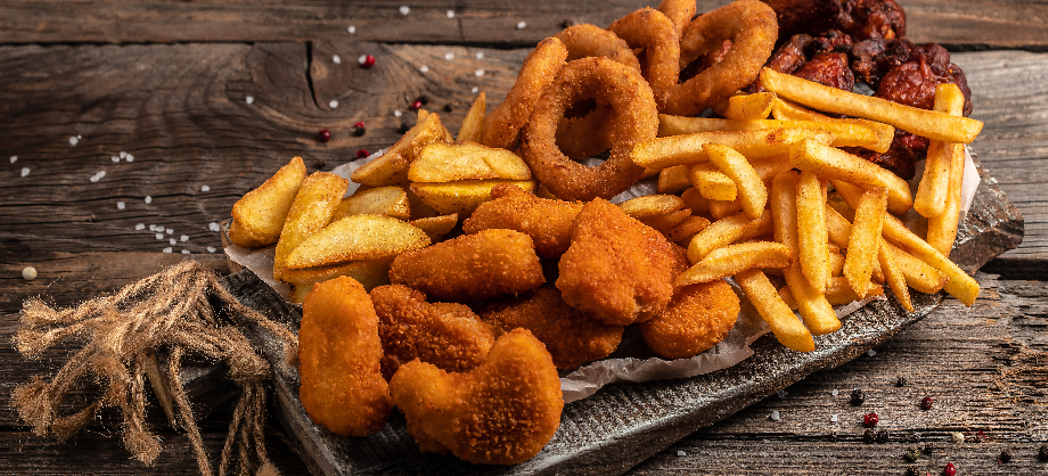
The deadly ingredients of fried food
Bengaluru mandates hotels and bakeries to recycle used cooking oil as biofuel, as health experts warn that repeatedly heating oil creates toxic compounds that can lead to chronic health issues and cancer-causing agents
Bengaluru: In a bid to improve food safety, Bengaluru’s hotels and bakeries have been instructed to stop reusing cooking oil and hand it over to authorised Repurposed Used Cooking Oil (RUCO) agencies. With the Ganesha festival approaching, officials fear illegal oil resale to vendors. To protect public health, Karnataka’s Food Safety Department is promoting oil fortification, hygiene standards, and proper FSSAI labelling.
Compounds that can cause inflammation, digestive issues, and increase cholesterol “Repeated use of cooking oil leads to the formation of toxic levels,” said Dr Ranjani Raman, chief dietitian at Nutrition Tattva. These harmful byproducts may also contribute to weight gain and cardiovascular problems as reused oil loses its nutritional value and becomes chemically harmful, especially when already refined.
Fresh, cold-pressed or filtered oils are far better choices,” Dr Ranjani said. She also warns that poor quality or hidden reuse of oils, especially in commercial settings, further increases the health risks. Health experts warn that reusing cooking oil is harmful as repeated heating changes its composition and produces toxic compounds such as trans fats, oxidised lipids, PAHs, and acrylamide.
These substances can increase the risk of heart diseases, chronic in flammation, and cause damage to the liver, kidneys, and nervous system. The presence and rapid multiplication of free radicals that form when cooking oil is reheated is a significant health concern. S Saroopa, senior nutrition ist at Diet Mojo, explained that the black residue on charred food is a carcinogen, meaning it causes cancer.
She noted that this harmful compound is found not only in burnt meat, but also in burnt corn. Although grilled chicken is of ten seen as a healthy, weight loss-friendly option, she warned that consuming the charred parts can be dangerous. Many people unknowingly eat these blackened sections.
However, the black residue denatures the protein, reducing its nutritional value and posing health risks, she explained. Saroopa also warns against consuming fried foods from outside sources, calling it deadly. She advises, “If you want fried items, it’s best to eat them at home.” Health experts widely follow this fundamental rule to avoid fried foods.
However, by preparing fried foods at home, you can choose fresh, high-quality oil and avoid the health risks associated with repeatedly reused cooking oil. Ranjani concluded that since oil is costly, it’s crucial to mini mise usage and avoid reusing frying oil whenever possible. She explained that people often reuse oil to prevent waste, especially after cooking foods like puris that require a lot of oil.
However, she said using less oil from the start can reduce the need for reuse and make disposal easier. She also suggested that governments could introduce creative incentives or reward programmes encouraging people to collect and recycle used oil, which would promote responsibility and better environmental practices.



.jpg)