.jpg)


.jpg)

 English daily published in Bengaluru & Doha

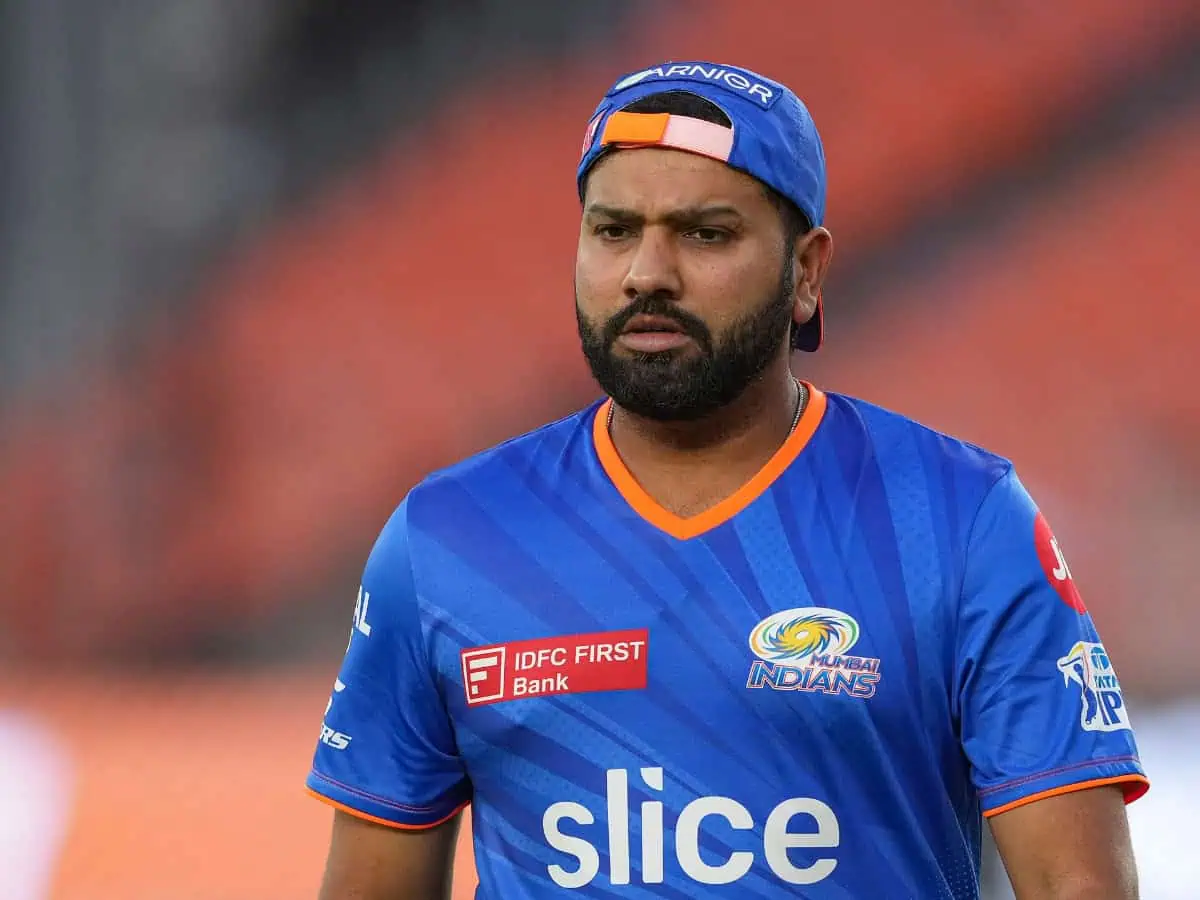
Rohit steps aside, but his imprint on Indian cricket endures
Relieving Rohit Sharma of his Indian ODI captaincy must have been one hell of a job, but it has been executed – with clinical detachment and perhaps a touch of cold irony. Rohit, who has captained India across formats with poise, tactical maturity and an unmistakable sense of belonging, may well consider himself rough-shodded.
History shows that successful Indian captains, from Sourav Ganguly to Mahendra Singh Dhoni, were afforded long, uninterrupted tenures that allowed them to build legacies. Rohit’s exit, therefore, feels abrupt, even unsettling – particularly because it comes at a moment when his leadership credentials stand burnished by recent triumphs.His career, by any measure, is gilded.
Rohit holds several batting records that are unlikely to be breached anytime soon: most sixes in international cricket, most double centuries in One-Day Internationals, most centuries at Cricket World Cups (7), and the world-record individual ODI score of 264.
In 2019, he claimed the ICC Men’s ODI Cricketer of the Year award, becoming emblematic of India’s modern batting ethos – elegant yet devastating. He is also the first and only captain to have led a team in all ICC tournament finals, a testament not just to longevity but to consistency under pressure.
The journey from the heartbreak of the 2023 ODI World Cup final to the euphoria of the 2024 T20 World Cup and the 2025 Champions Trophy title was, by Rohit’s own admission, one of rediscovery. He credited former coach Rahul Dravid for shaping the team’s mindset and for nurturing a culture of belief that carried them through two ICC victories.
That he diplomatically omitted any mention of the current coach, Gautam Gambhir, spoke volumes – perhaps reflecting either personal discomfort or philosophical divergence. Leadership transitions, after all, are seldom frictionless.
Yet, in the grander design of Indian cricket’s evolution, such changes are inevitable. The Board of Control for Cricket in India (BCCI) operates in an environment where public sentiment, commercial imperatives and institutional politics constantly intertwine.
Decisions, especially those involving high-profile figures like Rohit, are not just about cricketing logic – they are about managing optics, future planning, and the narrative of renewal. This, precisely, is the burden of leadership committees: they must take decisions that few envy but many will debate.
What lies ahead, then, is a test not of Rohit’s legacy but of Indian cricket’s structural wisdom. The next captain, Shubman Gill, must navigate the delicate balance between continuity and innovation, between reverence for experience and faith in youth.
Rohit’s contribution will remain foundational, not merely in statistics but in spirit. He modelled a style of leadership that was unpretentious yet inspirational, deeply Indian in temperament yet modern in execution.
In the larger arc of Indian cricket, this moment should not be seen as an unceremonious demotion but as a recalibration – one that prepares the team for new challenges and emerging formats. Rohit’s chapter may be nearing its conclusion, but the narrative he helped author continues to shape India’s cricketing identity: confident, fearless and relentlessly driven to dominate every arena it enters.
.jpg)
.jpg)
.jpg)
.jpg)
.jpg)
.jpg)