.jpg)


.jpg)

 English daily published in Bengaluru & Doha

India’s new era begins in uncertainty
Australia didn’t just beat India; they exposed them. The 2–0 ODI series loss was not a fluke, not a bad day at the office; it was a reflection of a deeper malaise that has crept into Indian cricket; muddled thinking, tactical rigidity and an unwillingness to confront uncomfortable truths.
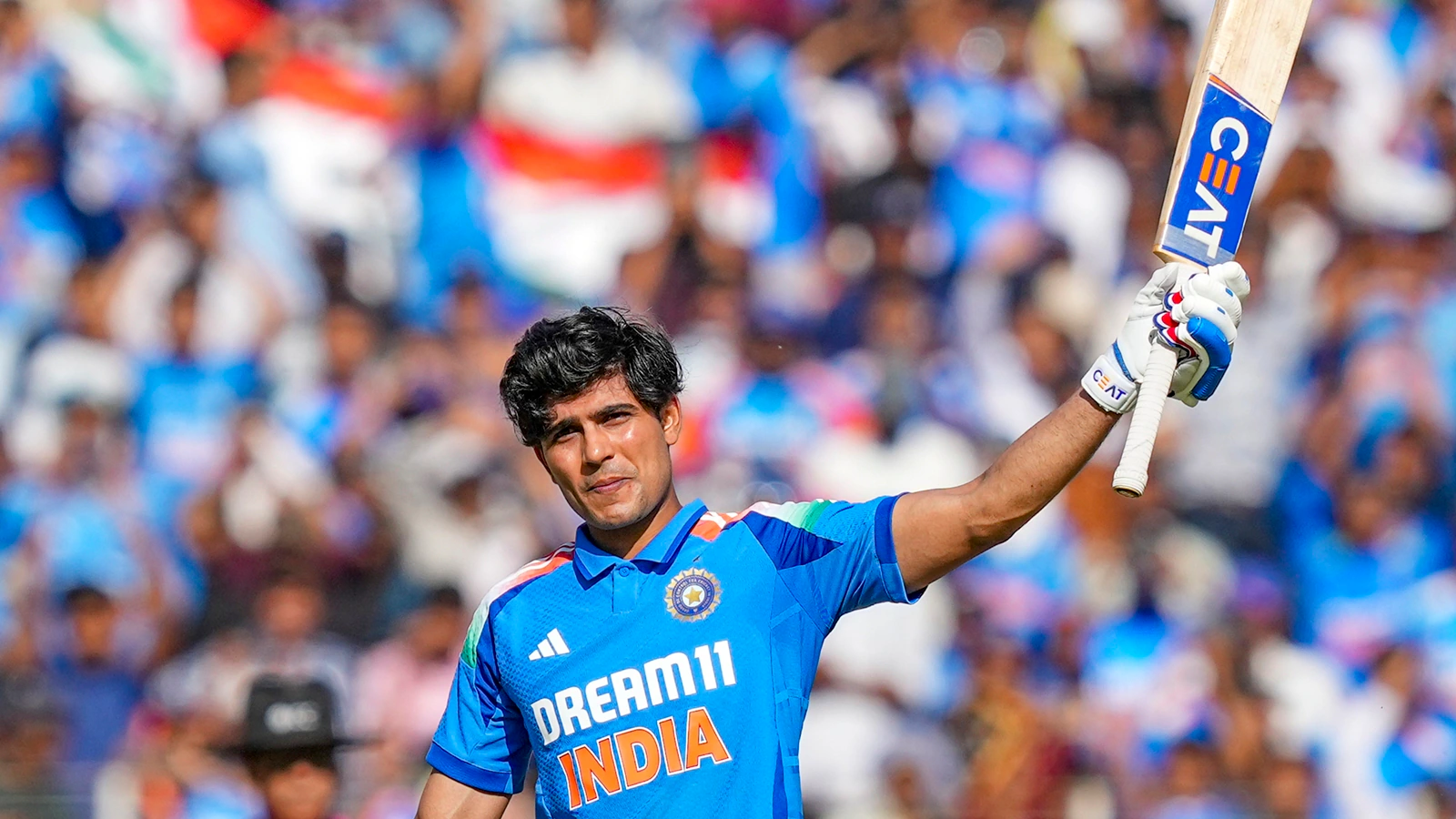
At Adelaide, India had just enough runs on paper. But numbers don’t win games; intent, planning and precision do. And that intent seems to have gone missing the moment Shubman Gill took over the baton from Rohit Sharma.
Gill himself hasn’t scored in either game, and his captaincy so far has mirrored his batting - hesitant, unsure, caught between aggression and anxiety. Under Rohit, India played with a certain defiance, a willingness to take the fight head on.
Under Gill (too early to say, but still), they look reluctant, searching for direction, as if the weight of inheritance is heavier than the bat he carries. The dressing room feels caught in transition, the old guard of Rohit and Kohli playing under the shadow of knives waiting to fall if they falter again and the young leader still finding his voice. It showed on the field, too.
Three dropped catches, including one of Matthew Short, who went on to craft a match-winning 74, summed up a side losing not just grip but conviction... watching chances slip, quite literally, through its fingers. Rohit Sharma’s fighting 73 was a rare flicker of defiance. His innings, gritty and old-school, was a reminder of what leadership by example looks like.
But one man’s fight cannot mask systemic failure. Behind the scorecard lies a pattern; the inability to finish games, over-dependence on seniors, and a persistent fear of trusting specialists over “utility” players. And then there’s Virat Kohli. Two consecutive ducks.
Adelaide, a ground that once echoed with his dominance, now witnessed silence. For years, Kohli embodied India’s competitive soul-fire, fitness and fight. But now, as he trudged off acknowledging the crowd, one could sense an inevitability.
Great players fade slowly, sometimes painfully. The zeroes on the score board don’t just mark runs, they mark time. The end, or at least the beginning of it, feels near. Let’s be clear. This wasn’t about the pitch or the toss. It was about decisions.
The omission of Kuldeep Yadav arguably India’s most incisive white-ball spinner in favour of “multi-skilled” placeholders is the kind of short-sighted experiment that betrays poor cricketing judgment. Nitish Reddy, shoehorned in as a pseu do-allrounder, neither batted long nor bowled tight.
When the match tilted toward Australia, India looked to the dugout and found no one with the skill or nerve to tilt it back. Meanwhile, Australia played like a team that understood its own strengths. Marsh led with calm; Hazlewood struck early; Zampa strangled in the middle overs.
Their young guns Connolly and Owen finished with the swagger India once owned. Every department clicked, not through individual brilliance alone, but through clarity of role and collective belief. India’s loss in this series isn’t just about losing to Australia. It’s about losing the script of aggression, of clarity, of hunger. It’s a wake-up call before the World Cup cycle tightens again.
The excuses have expired; so has the safety net of reputation. Gill’s India must decide what it wants to be: a side still basking in the glow of past heroes, or one ready to forge a ruthless new identity. Because if Adelaide proved anything, it’s this...cricket doesn’t reward nos talgia; it rewards nerves.
.jpg)
.jpg)
.jpg)
.jpg)
.jpg)
.jpg)