.jpg)


.jpg)

 English daily published in Bengaluru & Doha

The real game begins now for women’s cricket
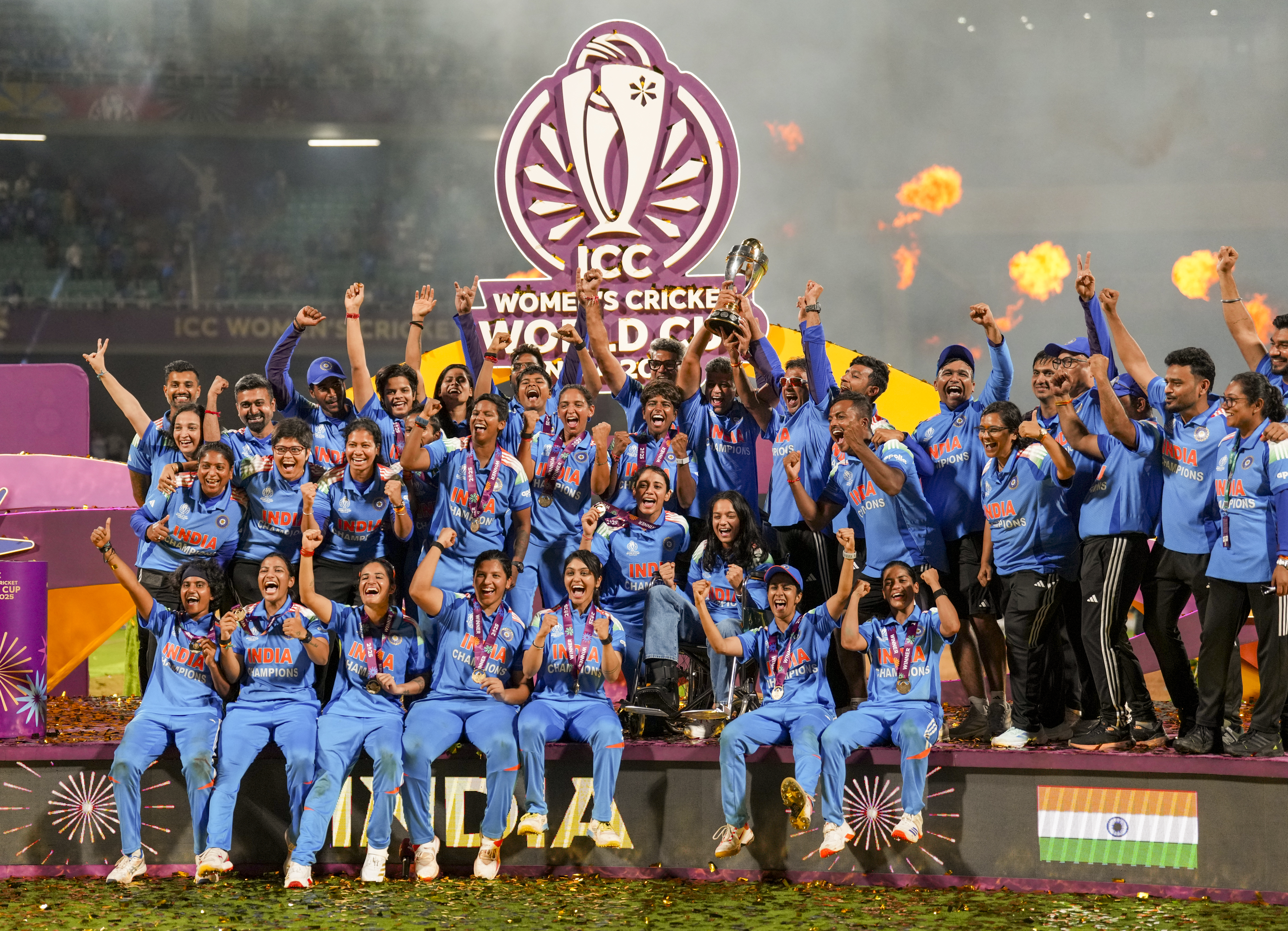
The final whistle in the Women’s Cricket World Cup did more than mark a victory; it announced a new dawn for Indian sport. As Harmanpreet Kaur’s team lifted the trophy, a nation long waiting for this moment exhaled in collective pride. It was not merely a sporting triumph – it was the culmination of decades of perseverance, quiet determination and belief in a dream too long deferred.
For years, Indian women cricketers fought for space in a field that seldom recognised their toil. From Mithali Raj’s graceful dominance to Jhulan Goswami’s tireless spells, each generation chipped away at the wall of indifference. The first World Cup crown is their legacy fulfilled – a testament that the foundation they laid was strong enough to carry a new generation to glory.
This win is not just about cricket; it is a story of equality breaking through. It reflects a wider change in the Indian imagination, one that increasingly sees its women not as supporting figures but as protagonists of national pride. Just as 1983 transformed Indian men’s cricket, this victory could well redefine the nation’s sporting narrative itself.
The joy it has unleashed transcends boundaries of gender and geography, uniting the country in a rare sense of shared achievement. The campaign was remarkable not for its star turns alone but for its unity of purpose. Every match displayed a strategic maturity that showed Indian women are not only talented but tactically astute.
Their calmness under pressure, athletic fielding and disciplined bowling spoke of professionalism long in the making. And when the batters stood firm in moments of crisis, they showed the steel that makes champions – the refusal to blink when history demands courage. When introspection follows celebration, the champagne is bound to flow beyond the moment.
This moment of glory places a responsibility squarely on the shoulders of sporting administrators. The Board of Control for Cricket in India must now move beyond tokenism to genuine structural reform – fair pay, better facilities and equal visibility are not demands of generosity but of justice. Investment in women’s cricket should be driven not by sentiment but by recognition of its proven value to the nation’s sporting ethos.
Beyond policy lies something deeper: symbolism. In every small town where a girl picks up a bat today, this victory will echo as permission – that dreams need not be apologetic. Schools and local clubs must seize this moment to expand girls’ participation, ensuring the triumph inspires not merely admiration but access.
Sport has always mirrored society’s progress, and this triumph reveals a country slowly learning to value talent without prejudice. India’s women have not merely won a cup; they have redrawn the boundaries of what is possible. Theirs is a triumph of grace over neglect, teamwork over stereotype, and belief over doubt. The road ahead will demand consistency, but the horizon now shines with promise. For the first time, little girls will not have to look abroad or across gender lines to find their cricketing heroes.
They will look homeward – and see themselves reflected in the faces of champions.
.jpg)
.jpg)
.jpg)
.jpg)
.jpg)
.jpg)