.jpg)


.jpg)

 English daily published in Bengaluru & Doha

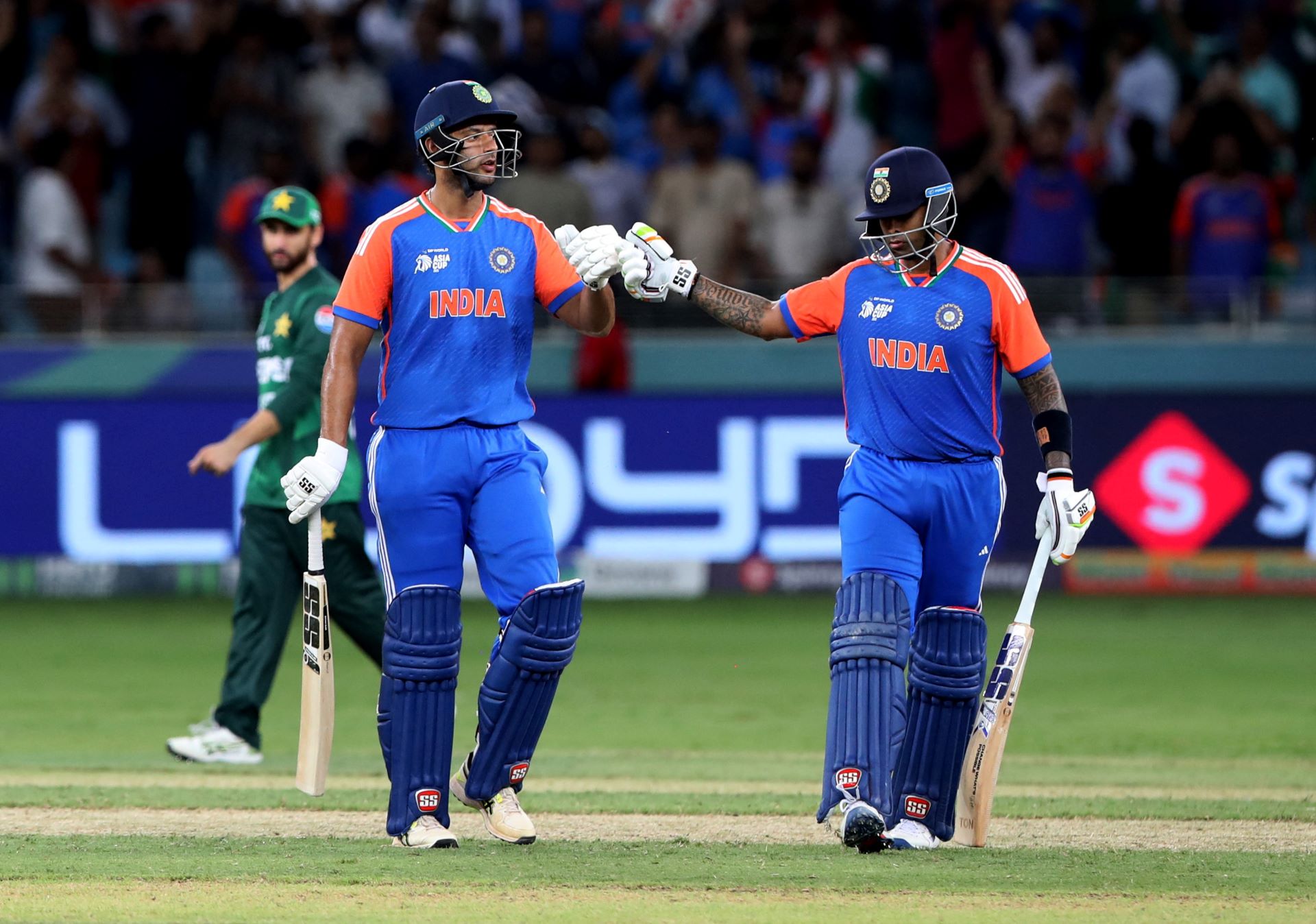
Pragmatism wins, Pak to play India
Cricket has long been framed as a theatre of rivalry and national pride, yet it also carries a quieter aspiration – that sport might occasionally succeed where politics falters. Pakistan’s decision to reverse its threatened boycott and face India at the T20 World Cup is therefore more than a procedural adjustment. It offers a revealing glimpse into the interplay of geopolitics, economics, and the institutional realities that now shape international cricket.
For a period, the prospect of Pakistan refusing to participate dominated discussion. The rhetoric was hardly unfamiliar: political tensions, diplomatic grievances, and appeals to national honour. Cricket, once again, risked becoming a surrogate arena for disputes far removed from the boundary rope. Such episodes illustrate how readily sport is enlisted into narratives of statecraft, often to the detriment of the game’s integrity.
Yet the eventual reversal suggests the influence of pragmatism. Modern international cricket functions within a rigid governance and commercial framework. ICC tournaments are governed by binding participation obligations, leaving minimal space for selective engagement. A withdrawal from a high-profile World Cup fixture would not merely have carried symbolic consequences; it could have triggered financial penalties, competitive forfeitures, and reputational damage. In a sport sustained by global credibility, those risks are neither abstract nor trivial.
The economic context further clarifies the decision. India-Pakistan encounters represent some of cricket’s most valuable broadcast assets, commanding exceptional global audiences and underwriting sponsorship agreements. For cricket boards navigating tightening financial landscapes, forfeiting such fixtures would carry serious revenue implications. Pakistan’s economic vulnerabilities inevitably sharpen this calculus. The financial repercussions reportedly flagged by the ICC would have been difficult for any administration to disregard.
This reality invites reflection. To what extent do economic pressures dictate choices publicly framed as political or principled? International sport has become inextricably linked with commercial structures and contractual obligations. In that ecosystem, financial stability and regulatory compliance often take precedence over rhetorical postures.
Speculation also lingers over whether wider diplomatic considerations subtly influenced the outcome. Pakistan’s international relationships shape its economic and strategic environment. While it would be simplistic to attribute a cricketing decision directly to geopolitics, modern sport rarely exists in isolation from broader power dynamics. Financial dependencies and global perceptions frequently intersect in ways that circumscribe choices.
Still, the decision to play carries symbolic significance. Cricket cannot resolve entrenched political tensions, nor should it be burdened with that expectation. Yet it preserves a rare forum where engagement replaces estrangement. By choosing participation over protest, Pakistan has reaffirmed a principle central to international sport – that competition must endure even amid discord.
Cricket may never fully escape politics, but moments such as this underscore why its contested neutrality remains worth defending.
.jpg)
.jpg)
.jpg)
.jpg)
.jpg)
.jpg)