.jpg)


.jpg)

 English daily published in Bengaluru & Doha

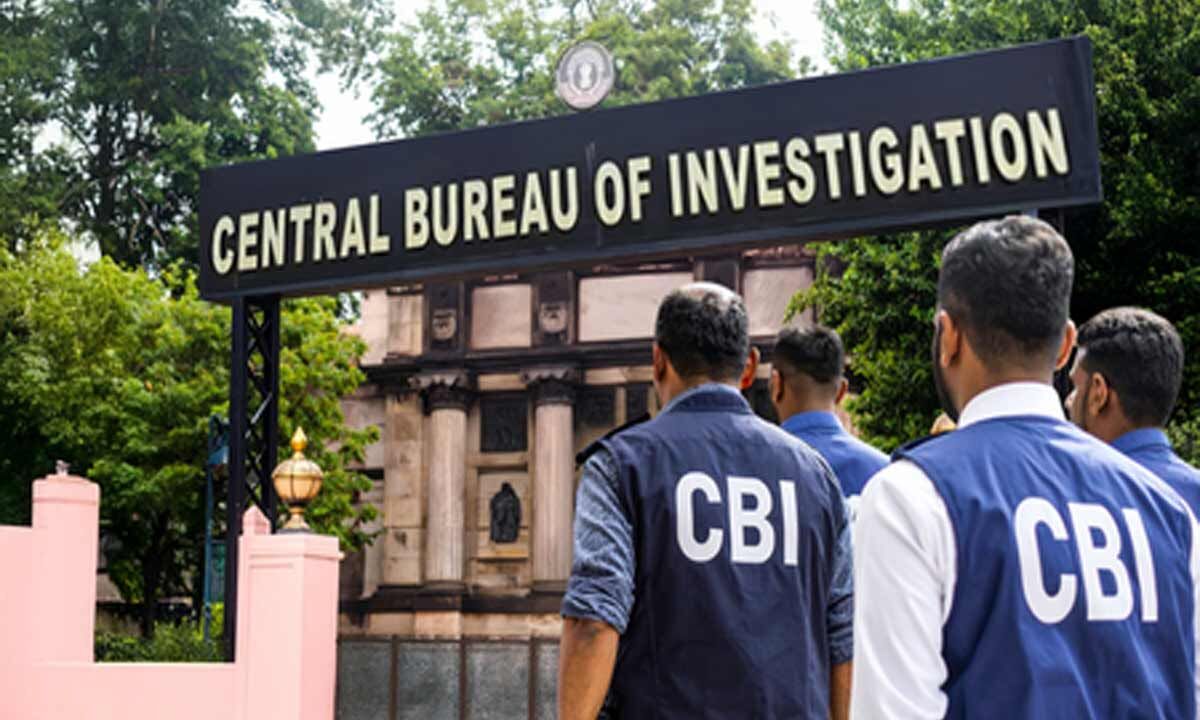
The CBI stands exposed
The central agencies Central Bureau of Investigation (CBI) and the Enforcement Directorate stand exposed in the wake of the discharging of the corruption case against former Delhi chief minister Arvind Kejriwal and his ministerial colleague Manish Sisodia. The fact that the trial court threw away the case finding not even prima facie suspicion against the two accused, goes to prove that the two politicians were arrested and incarcerated for considerable period—even while retaining office—for something they were not even remotely responsible. While Kejriwal was detained in Tihar Prison for five months, Sisodia had to suffer detention for 17 months.
The Friday’s acquittal of Kejriwal, Sisodia, former BRS politician Kavitha Kalvakuntla and 20 others including several bureaucrats raises serious questions about the manner in which the cases were foisted against them in matters that were “wholly unable to survive judicial scrutiny” as ruled by the trial court judge. The judge freed them describing the evidence submitted by the prosecution not worthy of even admissible proof linking them to the alleged crime.
Not alone this, the court even said that it would recommend departmental inquiry against officials for making public servant Kuldeep Singh, the Deputy commissioner of Excise, as the primary accused. The court’s observation that total absence of transaction of bribe money and evidence of financial trail serves to show that there cannot be any criminal liability. However, the most significant observation relates to suspicion about the intent to change the liquor licensing policy in cahoots with liquor suppliers.
The court’s further observation that policy modification cannot be the basis of charge of bribery as it pertains to the primary duty of a government to effect changes in policy and take decisions that are imperative in a developing economy. These cannot be ground for launch of criminal prosecution just because the particular policy does not yield the expected outcomes or that private participants lawfully earned profits under such a policy.
The judge ruled that administrative decisions made in good faith cannot be treated as crimes without clear evidence of bad intents, illegal benefit or misuse of power. It also dismissed the plea that surmises, conjectures and inferential leaps could not be replacement for concrete evidence to substantiate charges of wrongdoing against those holding important position in governance and post in administration. The judge’s comment that the CBI “connected scattered facts to fit a pre-decided story” can scarcely lend depth and credibility to an otherwise fragile narrative.
The trial court judgement vindicates the top duo from the Aam Aadmi Party of not having compromised on their party’s plank of removing corruption, something that the vindictive Bharatiya Janata Party-led dispensation at the Centre intended to do. Far from sticking a blot on the AAP government, they judgement has exposed the machinations of the BJP seeking to discredit an opposition party and using a central agency for the purpose.
.jpg)
.jpg)
.jpg)
.jpg)
.jpg)
.jpg)