.jpg)


.jpg)

 English daily published in Bengaluru & Doha

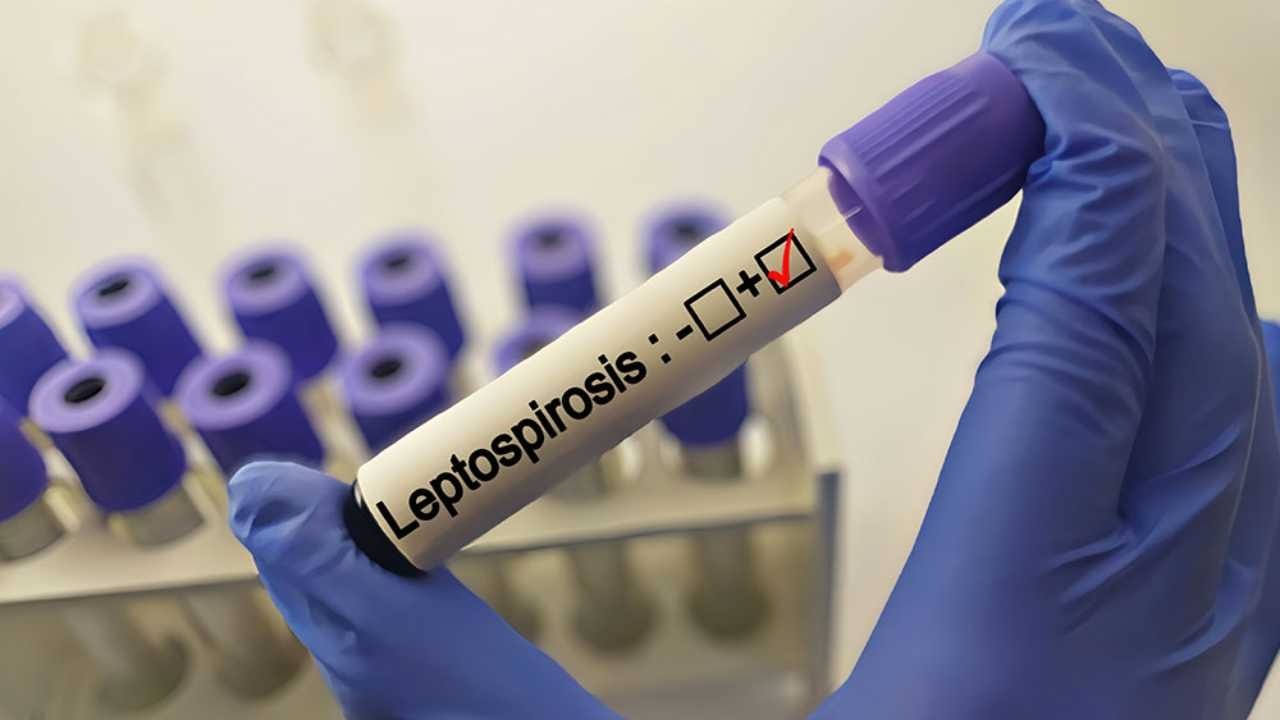
Karnataka reports surge in leptospirosis infections, health department raises concern
Bengaluru
The spread of Leptospirosis is emerging as a growing health concern in Karnataka, with more than 16,000 cases reported across the state in the last five years. Health officials warn that the steady rise in infections highlights the need for increased public awareness and preventive action.
Government data indicates that around 30 people have died due to the bacterial disease during this period. The number of infections has been rising each year, causing concern among health authorities and medical experts.
In 2020, the state recorded 544 cases of leptospirosis.
The number increased to 906 in 2021. A major surge was reported in the following years, with 3,174 cases in 2022 and 5,404 cases in 2023. Although the number slightly dipped to 5,088 cases in 2024, it climbed sharply again to 6,525 cases in 2025. Last year alone, 19 deaths were reported due to the infection.
Leptospirosis is a bacterial disease that spreads from animals to humans. It is usually transmitted when people come into contact with water or soil contaminated by the urine of infected animals, particularly rats.
Health experts explain that the disease is often misdiagnosed because its initial symptoms resemble common illnesses such as dengue fever or malaria.
Symptoms usually appear within two to fourteen days after infection. Early signs include high fever, severe headache, muscle pain, chills, nausea, vomiting, red eyes, fatigue and stomach pain.If left untreated, the infection can progress to severe complications such as kidney failure, liver damage leading to jaundice, breathing difficulties, lung infections, meningitis and internal bleeding.
Doctors warn that delayed treatment significantly increases the risk of life-threatening complications.To prevent infection, people are advised to avoid walking barefoot in floodwater or contaminated water. Those engaged in farming, sanitation or waste disposal work should wear protective gloves and boots.Maintaining cleanliness around homes, preventing rodent infestation and ensuring access to clean drinking water are also key preventive measures.
Experts say individuals should wash hands and feet thoroughly after contact with potentially contaminated water and keep cuts or wounds properly covered.Medical professionals emphasise that laboratory testing is essential for accurate diagnosis.
The IgM ELISA test is commonly used for initial screening, while the Microscopic Agglutination Test (MAT) is considered the standard confirmatory test performed in specialised laboratories.PCR testing can also detect the bacteria at an early stage.
Health officials advise people to seek immediate medical attention if they develop fever or other symptoms after exposure to contaminated water, as early treatment can prevent severe complications and reduce the risk of death.



.jpg)

