.jpg)


.jpg)

 English daily published in Bengaluru & Doha

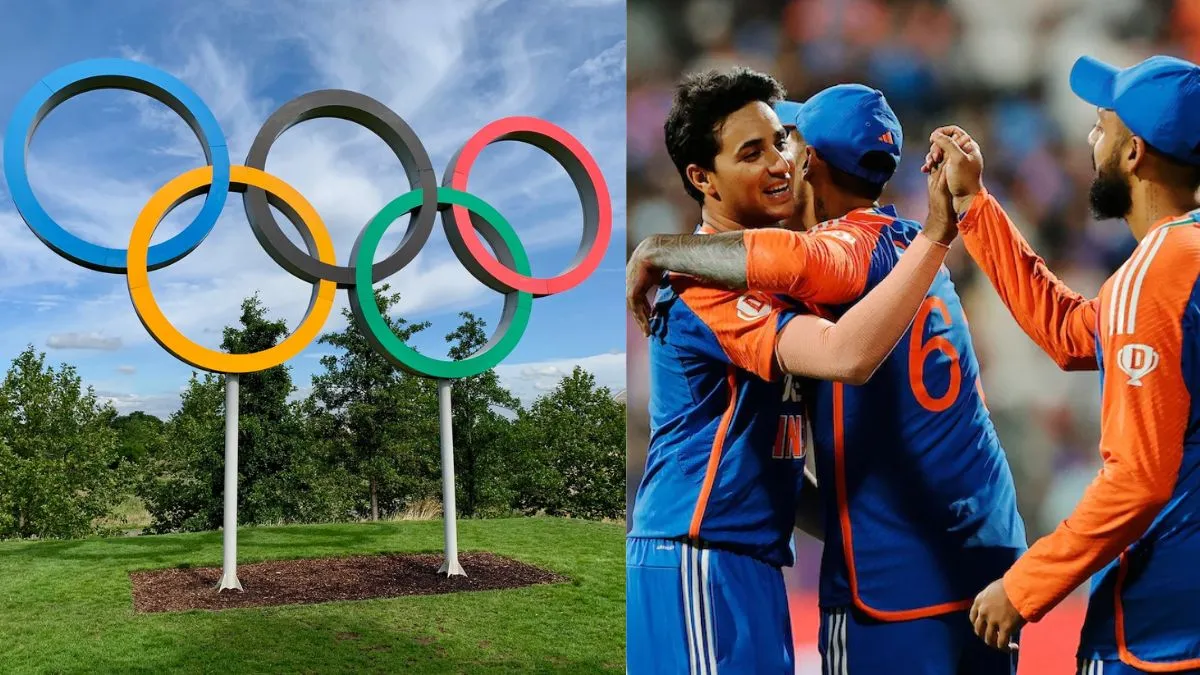
Olympic return set to reshape cricket’s global landscape
After leading his team to the ICC Men’s T20 World Cup title, Indian captain Suryakumar Yadav has now set his sights on an Olympic gold medal. Cricket’s return to the Olympic Games after a gap of over a century is far more than a symbolic development. When the sport features at the 2028 Summer Olympics in Los Angeles, it will mark the first time since the 1900 Summer Olympics that cricket has been part of the Olympic programme. The revival could fundamentally reshape the sport’s global trajectory.
The decision to stage the competition in the Twenty20 format reflects a pragmatic recognition of modern realities. T20 cricket’s brevity and entertainment value make it ideally suited to the tight scheduling demands of the Olympics. Its accessibility also ensures that new audiences – many of whom may have little prior exposure to cricket – can quickly grasp the sport’s appeal. In that sense, Olympic inclusion could serve as a powerful gateway for the game’s expansion beyond its traditional strongholds.
For decades, cricket has been dominated by a relatively small group of nations. While countries such as India, Australia and England command vast fan bases and financial clout, the sport has struggled to penetrate markets where it lacks historical roots. Olympic participation offers a unique opportunity to change that dynamic. Many national Olympic committees allocate significant funding to sports that feature in the Games. As a result, emerging cricket nations – from parts of Europe to Africa and the Americas – may receive new incentives to invest in infrastructure, coaching and grassroots development.
Another notable aspect of the Olympic tournament is the inclusion of both men’s and women’s competitions. Women’s cricket has grown rapidly in recent years, attracting larger crowds and greater broadcast attention. Olympic exposure could accelerate that momentum, providing female cricketers with an additional global platform and helping to normalise the sport in countries where women’s participation remains limited.
For established cricket powers, however, the Olympic stage introduces both opportunity and pressure. With only six teams expected to qualify for each tournament, the road to Olympic participation will be fiercely competitive. The prestige of winning an Olympic medal – an honour distinct from triumphs in events such as the ICC World Cup – will add a new dimension to international cricket’s hierarchy of achievements.
The Olympic spotlight may also encourage administrative reforms within the sport. Global events demand clear qualification pathways, transparent governance and broad participation – areas where cricket has occasionally faced criticism. Aligning with the Olympic ethos could therefore push the sport towards a more inclusive and structured international framework.
Ultimately, cricket’s Olympic return is not about adding another tournament to an already crowded calendar. It represents a rare chance to reimagine the sport’s place in the global sporting landscape. If managed wisely, the Los Angeles Games could mark the beginning of a new era – one in which cricket evolves from a regionally dominant pastime into a genuinely universal sport.
.jpg)
.jpg)
.jpg)
.jpg)
.jpg)
.jpg)