.jpg)


.jpg)

 English daily published in Bengaluru & Doha

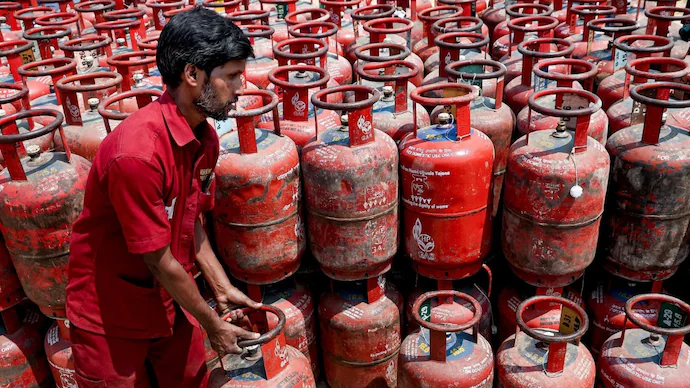
India’s LPG situation still a cause of worry
In a temporary relief to millions of Indians facing LPG woes, and a possibility of increase of prices of petrol and diesel, another Indian-flagged oil tanker with 80,886 tonne of crude oil has reached Mundra port in Gujarat from Fujairah in the UAE, taking the total number of vessels transiting the conflict-hit zone to four. The two LPG carriers which reached India carry 92,712 tonnes of LPG which is equivalent to a day’s requirement of cooking gas in India.
For the record, India imports about 88 per cent of its crude oil, 50 percent of natural gas, and 60 percent of LPG. Before the war broke out, more than half of the crude oil that India imported came from countries like Saudi Arabia, Iraq and the UAE, which use the strait for shipping. As much as 85-95 per cent of LPG and 30 percent of the gas came through the Hormuz strait. While the disruption in crude oil has been partially offset through alternative sources, such as Russia,
West Africa, the US and Latin America, gas and LPG supplies to industrial and commercial users have been curtailed. There are reported domestic LPG shortages across the country, with long queues reported, although the government has assured sufficient supply stock. However, the data above itself reveals that the supply is lesser than the per day demand for LPG across segments, and is subject to reach near a semblance of normalisation once the six LPG tankers arrive from Hormuz.
This huge dependence for LPG from the Middle East is likely to persist, given that the war on Iran is showing no signs of ending. Originally, there were 28 Indian-flagged vessels in the Strait of Hormuz when the war in West Asia broke out following US-Israel attacks on Iran. Of the 22 remaining Indian-flagged vessels on the west side of the Strait of Hormuz, six are LPG carriers, one is a liquefied natural gas (LNG) tanker, four are crude oil tankers, one is transporting chemical products, three are container ships, and two are bulk carriers.
Significantly, Asian refining margins have turned negative as the ongoing Iran conflict disrupts crude supply chains and forces refiners across the region to cut operating rates. Benchmark Singapore gross refining margins (GRMs), a key indicator of regional refining profitability, have fallen sharply from multi-year highs, minus freight costs. Freight charges have surged by as much as 842 per cent, as shipping companies impose war risk premiums and reroute vessels. Naturally, Indian refiners are also facing pressures, given their reliance on Middle Eastern crude imports.
.jpg)
.jpg)
.jpg)
.jpg)
.jpg)
.jpg)