.jpg)


.jpg)

 English daily published in Bengaluru & Doha

Is it bias clothed under gender justice?
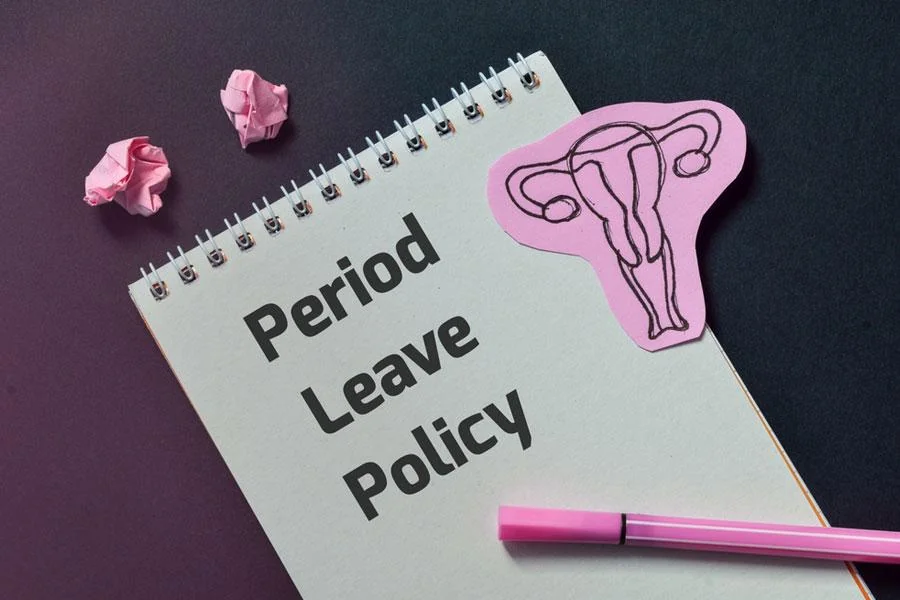
The Government of Karnataka has introduced a menstrual policy whereby employed women can avail a day’s leave during their menstrual period every month. The policy mandates all workplaces to allow a day’s mandatory leave every month for women employees. A look at the debate suggests that there could be as many arguments in favour of the policy as against it.
While pro-policy activists have hailed the introduction of the mandatory leave, there are civil society groups who have expressed opposition. Curiously, a group of 15 women activists in Karnataka has challenged the Government order dated November 20, 2025 in the Karnataka High Court arguing that though it appears benevolent, it would be counterproductive inasmuch as it would dissuade employers from hiring women.
There is no arguing that women feel mentally stressed and physically distressed during the menses and would like to stay away from activity that could add to the discomfort. In a world where women’s employment, equal pay and similar privileges have become the norm, the new policy etches to relief the fact that in reality, some concessions ought to be allowed for women who chose to enter the employment arena.
All that it emphasizes is that equality doesn’t mean identicality and there are areas where adjustments need to be made in sync with their health, physical nature and perhaps psychological disposition. Looked at from this angle, this may be just an extension of segregated facilities in matters of public toilets, separate compartments in local trains, and buses and differential treatment in assigning night shifts.
But there are genuine concerns that the current law may in fact deter employers from having women in the workforce as it encumbers them allowing 12 days of paid leave, something that has a cost to the exchequer as well as impacting productivity while ensuring gender accommodation. Besides, such leave may even become a public declaration of a woman’s menstrual status, something that women would be averse to be known to others. Given such concerns, it would be useful to consider if such matters are left to a wider audience mainly drawn from among women, gender justice experts and civil society organization to arrive at a consensus.
.jpg)
.jpg)
.jpg)
.jpg)
.jpg)
.jpg)