.jpg)


.jpg)

 English daily published in Bengaluru & Doha

When the IPL becomes India’s selection committee
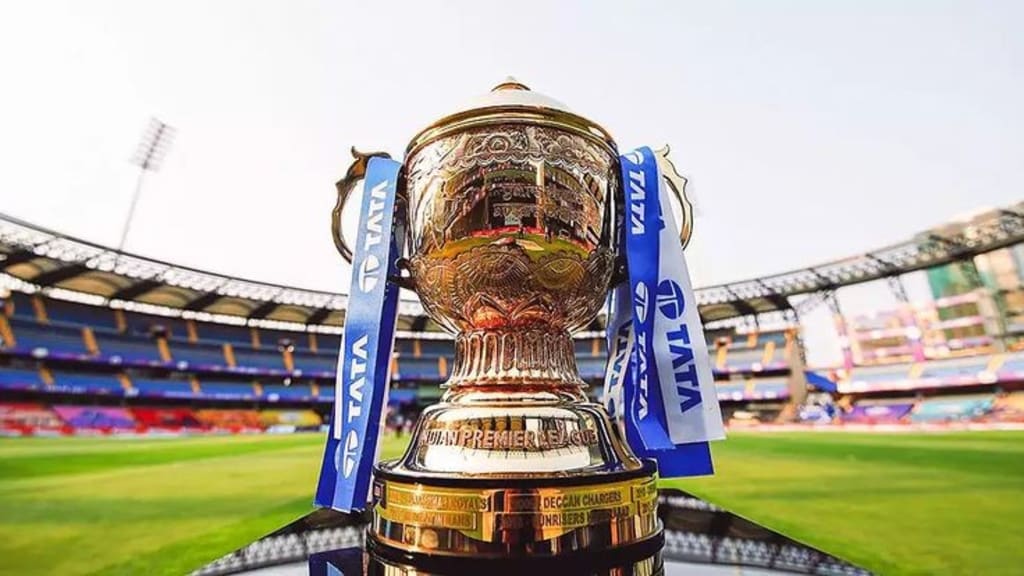
The annual spectacle of the Indian Premier League has long outgrown its identity as a domestic T20 tournament. It now functions, in effect, as Indian cricket’s most influential selection arena – an unofficial trial ground where reputations are built, revived, or quietly set aside. Few narratives capture this shift as starkly as that of Mohammed Shami. Shami’s predicament is as compelling as it is disquieting. With over 450 international wickets, including 229 in Tests, he remains among India’s most accomplished seamers. Yet, despite a prolific domestic run – over 67 wickets across formats in the 2025-26 season – he has found himself on the fringes of national selection since India’s last global campaign.
His public remarks, stressing that he has been “doing exceptionally well”, underline a growing frustration: performance in traditional formats no longer guarantees recognition. The subtext is unmistakable – performance must be seen to matter. And nowhere is performance more visible than in the IPL. For players such as Shami, the tournament is not merely a professional engagement; it is a stage of assertion. Every spell is both audition and argument, an attempt to compel selectors to reassess. The IPL’s scale – its broadcast reach, data-driven analysis, and high-pressure settings – renders it a far more persuasive theatre than the quieter grind of domestic cricket.
This recalibration is neither incidental nor isolated. Increasingly, the Board of Control for Cricket in India appears influenced – if not guided – by T20 performances when shaping squads across formats. The logic is understandable: the IPL compresses intensity, skill and temperament into a format that is instantly comparable. A decisive four-over spell under lights can, in perception, outweigh days of disciplined red-ball bowling. Yet, such a shift carries risks. Test cricket demands endurance, patience and strategic evolution – qualities not always reflected in T20 success. To privilege IPL performances risks conflating formats, reducing selection to short-form impressions.
It also marginalises those whose craft is best expressed over longer durations. Selectors, to be fair, operate within constraints. The calendar is congested, workloads must be managed, and generational change is inevitable. Younger, versatile players are understandably prioritised. However, the absence of transparency – where veterans are neither clearly phased out nor consistently evaluated – creates uncertainty and grievance. It is within this grey area that the IPL assumes disproportionate authority. The consequence is a reordering of ambition.
For emerging players, the route to India increasingly runs through franchise success. For established names, the league becomes a final proving ground. For the sport, the danger lies in allowing spectacle to eclipse sustained scrutiny. Shami’s case, then, is not merely personal. It reflects a structural shift – one in which India’s most glamorous tournament has also become its most decisive selector. Whether that evolution ultimately strengthens or distorts Indian cricket remains an open question.
.jpg)
.jpg)
.jpg)
.jpg)
.jpg)
.jpg)