.jpg)


.jpg)

 English daily published in Bengaluru & Doha

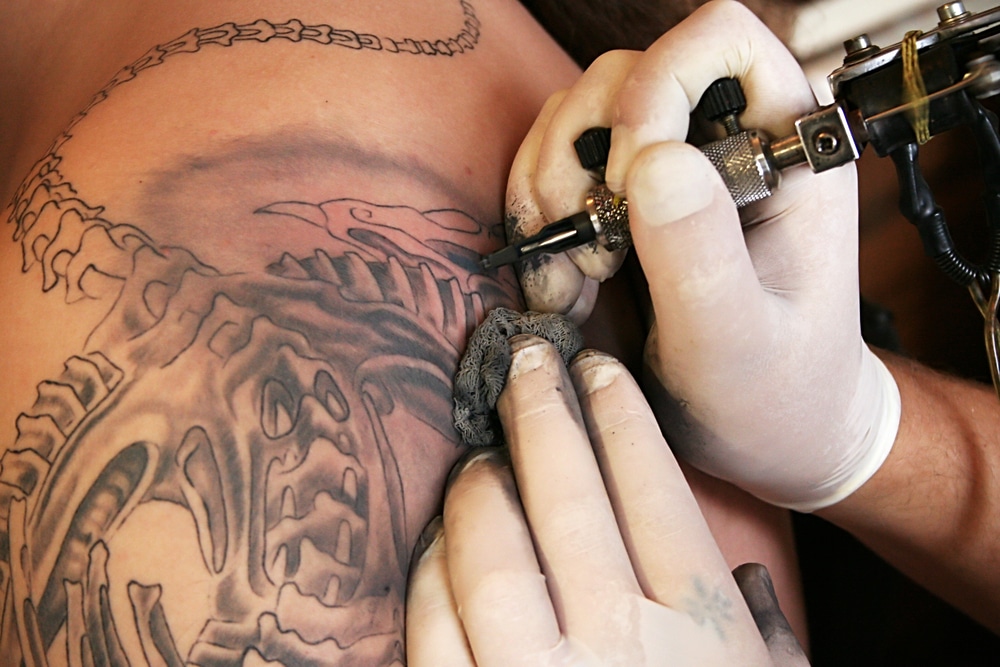
Is this tattoo needle new? Is it safe on my skin?
Bengaluru
Would you feel comfortable getting a tattoo at just any random studio? Most people would hesitate, as they would first want to ensure that the tattoo artist and the studio follow proper hygiene and safety standards. The decision would typically be made only after confirming that the necessary guidelines and precautions are being strictly adhered to, highlighting the importance of safety and professionalism in such practices. Hence, the Karnataka State Health Department, the first in the country to raise public safety concerns, last year submitted a proposal to the Central Government seeking stricter, industry-standard safety guidelines for tattoo studios.
“There are no formal hygiene standards for tattoo studios in India except the use of disposable needles and good quality ink within the expiry date. However there are other factors such as the reduction of cross contamination which I strictly follow”, said Jyothis Doodle Man, professional tattoo artist from Bengaluru, specialising in black-and-grey realism. He further stated that avoiding cross-contamination is a basic hygiene rule that all tattoo artists must follow, with no room for compromise. Tattoo experts have welcomed the State’s decision to standardise regulations, stating that it will help protect citizens and ensure the industry remains professional and free from malpractices.
Manjaxx, studio manager of Skin Deep tattoo studio, said that when tattoos are done improperly, the most serious risks include blood-borne infections such as Hepatitis or HIV due to unsterile needles, allergic reactions caused by low-quality inks, and permanent scarring or skin damage “Often, a "bad" tattoo also leads to poor healing or blurred designs that require expensive medical treatment or laser removal to fix”, he added.
He suggested that ink standardisation, mandatory licensing, and strict sterility oversight should be made essential regulatory requirements for the tattoo industry. However, when asked about the challenges in maintaining high hygiene standards, Manjaxx said rising costs remain a major concern, as medical-grade disposables and specialised cleaning chemicals significantly increase the cost of each session. He noted that preventing cross-contamination also requires constant vigilance, as even a minor lapse can require a complete reset of the sterile environment. He added that the lack of standardised training in some regions makes it difficult to ensure that all staff consistently follow the same hygiene protocols.




.jpg)
