.jpg)


.jpg)

 English daily published in Bengaluru & Doha

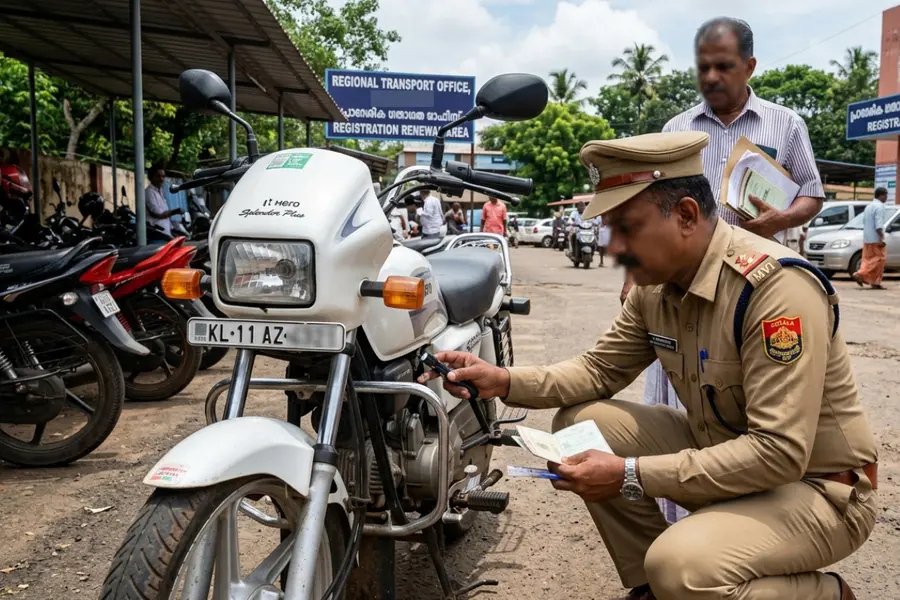
Students in KL vehicles spark concerns in Mangaluru
Mangaluru
Mangaluru’s already strained traffic system is now confronting a growing concern: a surge of student riders using KL-registered vehicles from neighbouring Kerala, many of whom are flouting basic traffic norms with alarming disregard. A significant number are reportedly riding without valid driving licences, raising serious safety concerns. Across key junctions such as Paduva, Kankanady, Bejai, Jyothi Circle and Buntshostel, violations are increasingly visible.
Rash driving, triple riding, riding without helmets and deliberately obscured number plates have become routine. Of particular concern is the rise in wrong-side entry, a dangerous practice that frequently catches unsuspecting motorists and pedestrians off guard. Equally troubling is the attitude accompanying these violations. Traffic volunteers and local residents report that many riders ignore warnings and, in some cases, respond dismissively when cautioned. This growing indifference to rules and public safety is fast becoming a serious civic issue.
Francis Maxim Moras, a traffic warden stationed at Paduva Junction, voices his concern bluntly. “Every day, we see students riding three on a bike, without helmets and with number plates concealed. Wrong-side riding is now common. When advised, many simply ignore it. This is not just indiscipline, it is a direct threat to life,” he says. This is not an issue of region or identity, but of accountability. Many of these students depend on two-wheelers for daily commute, yet the disregard for basic traffic discipline is turning convenience into a public hazard.
The absence of a valid Driving Licence among several riders points to a deeper problem of negligence and lack of enforcement. Traffic officials stress that unlicensed riding is a serious offence. Operating vehicles without proper training on busy urban roads places not just the rider, but all road users at risk. The current situation reflects gaps in awareness, supervision and enforcement. Educational institutions must assume greater responsibility. Structured awareness programmes, clear regulations on student vehicle use and active coordination with traffic authorities are essential. Institutions cannot afford to remain passive when student behaviour directly impacts public safety.
Parental responsibility is equally critical. Permitting children to ride without verifying licences or enforcing helmet use signals dangerous complacency. Road discipline must begin at home. At the enforcement level, the need of the hour is consistency. Regular checks, stricter penalties and sustained awareness drives are necessary to curb violations. Sporadic action is insufficient to address a problem of this scale. As Mangaluru continues to expand, road discipline is non-negotiable. The issue at hand is not merely about traffic management, but about safeguarding lives. Corrective action from all stakeholders is imperative before negligence leads to irreversible consequences.
.jpg)
.jpg)