.jpg)


.jpg)

 English daily published in Bengaluru & Doha

Mangaluru’s cricket stadium dream: Still waiting for first ball
Mangaluru
There was a time, nearly three decades ago, when Mangaluru was not asking for a cricket stadium, it was expected to get one. As Karnataka began looking beyond Bengaluru to expand its cricketing infrastructure, Mangaluru naturally emerged as the frontrunner for a second international venue, backed by a strong sporting culture, consistent talent, reputed educational institutions, and unmatched connectivity by road, rail, air and port; add to that its position between Kerala and Goa, both growing cricket regions, and the case almost made itself. It did not feel like a proposal, it felt inevitable; but somewhere along the way, that inevitability slipped into silence.
What followed was not progress but a pattern, every few years, the conversation returned with 'renewed push', 'identified land', and 'site inspections'; officials visited, statements were made, expectations rose, and then, quietly, everything went still again. At the centre of this long pause has been one unresolved issue: land. From Surathkal to Talapady, from Puttur to stretches along the Mangaluru-Bengaluru highway, multiple locations were spoken about, inspected and even informally shortlisted; government land parcels were considered to avoid acquisition hurdles, yet on the ground, nothing moved.
Even Mangala Stadium entered the conversation, but the idea of converting an existing, centrally located ground into an international-standard cricket venue quickly ran into practical limitations-space, access, and expansion all pointed to one conclusion: Mangaluru did not need adjustment, it needed a dedicated stadium. And so, the search returned to where it always paused-finding the right piece of land, and more importantly, the will to secure it.
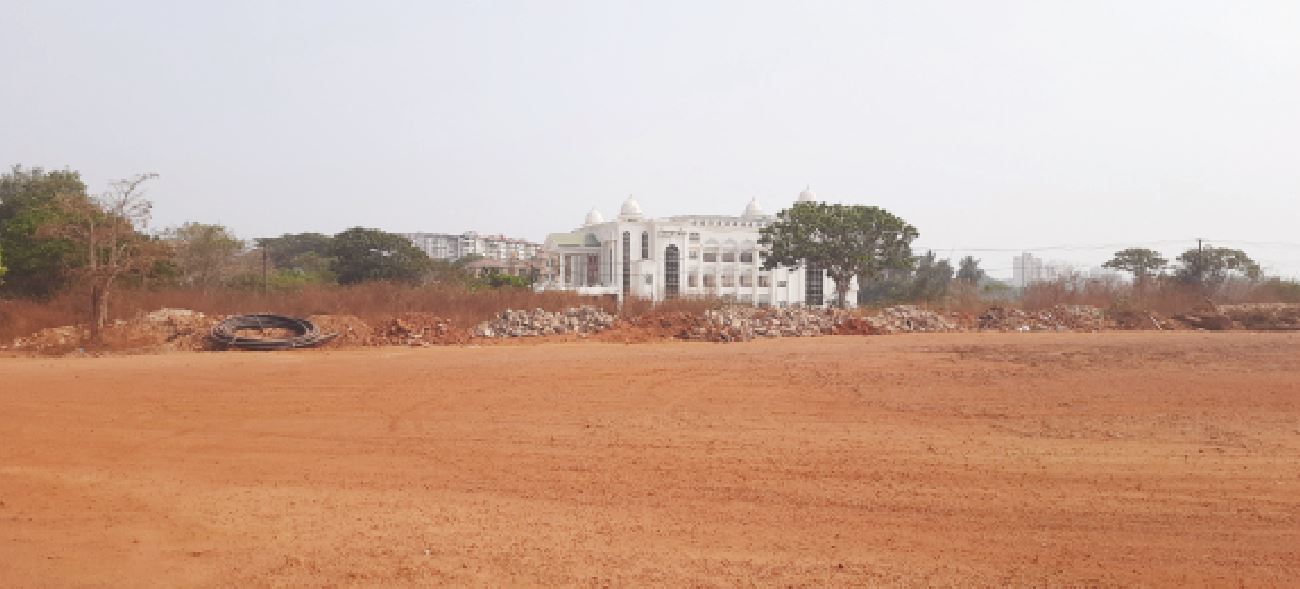
Now, after years of going in circles, there is once again a flicker of movement: a 9.59-acre parcel of land, once used as a helipad, has been earmarked for cricketing purposes and is proposed to be handed over to the Dakshina Kannada Cricket Association (DKCA), which is expected to take the lead. But the reality on the ground tells its own story. Today, this very land functions as a thoroughfare leading to the IGP residence, and parts of it are filled with debris-hardly the picture of a future sporting facility.
What is being spoken of as a potential cricketing base is, at present, a space that reflects years of neglect and shifting priorities. Converting it into a usable sports facility will not just require planning, but clearing, reclaiming, and reimagining. It is not perfect-the size falls short of what a full-fledged stadium would ideally require-but for the first time, the conversation is not about possibilities; it is about something tangible, even if imperfect. Sources suggest that the DKCA is working on a master plan to optimise the space through a phased approach- begin with a functional ground, build training facilities, create a base, and expand when the opportunity allows; a shift perhaps from chasing perfection to building progress.
Yet, even this step sits at a familiar crossroads: the land must be formally handed over, files must move through the state secretariat, and approvals must come through, all of which will depend on clear and consistent political push-because without that, this too risks becoming another 'almost happened' chapter. If that push comes, there is cautious optimism that the process could begin within the next three to four months-and if it does, it will mark something this story has long missed: movement. Because everything else is already in place.
The city today is better connected than ever, with an expanded airport, stronger highways, and a hospitality sector ready to host; cricket has grown significantly in Kerala, Goa continues to invest in sports, and Karnataka remains a domestic powerhouse-making Mangaluru, geographically and practically, a natural bridge across regions. What has not changed is the absence of a stage. Young cricketers still leave in search of better facilities; local grounds continue to nurture talent but not showcase it; hosting tournaments like the Ranji Trophy remains occasional, while international cricket is still something to travel for-not something to experience at home.
And that is perhaps the real cost-not just in infrastructure, but in identity. Mangaluru has never lacked passion for cricket; it has only lacked the platform. For 30 years, the city has waited-patiently-and now, with 9.59 acres on the table, the question is no longer whether Mangaluru deserves a stadium, but whether it is ready to act.
.jpg)
.jpg)