.jpg)


.jpg)

 English daily published in Bengaluru & Doha

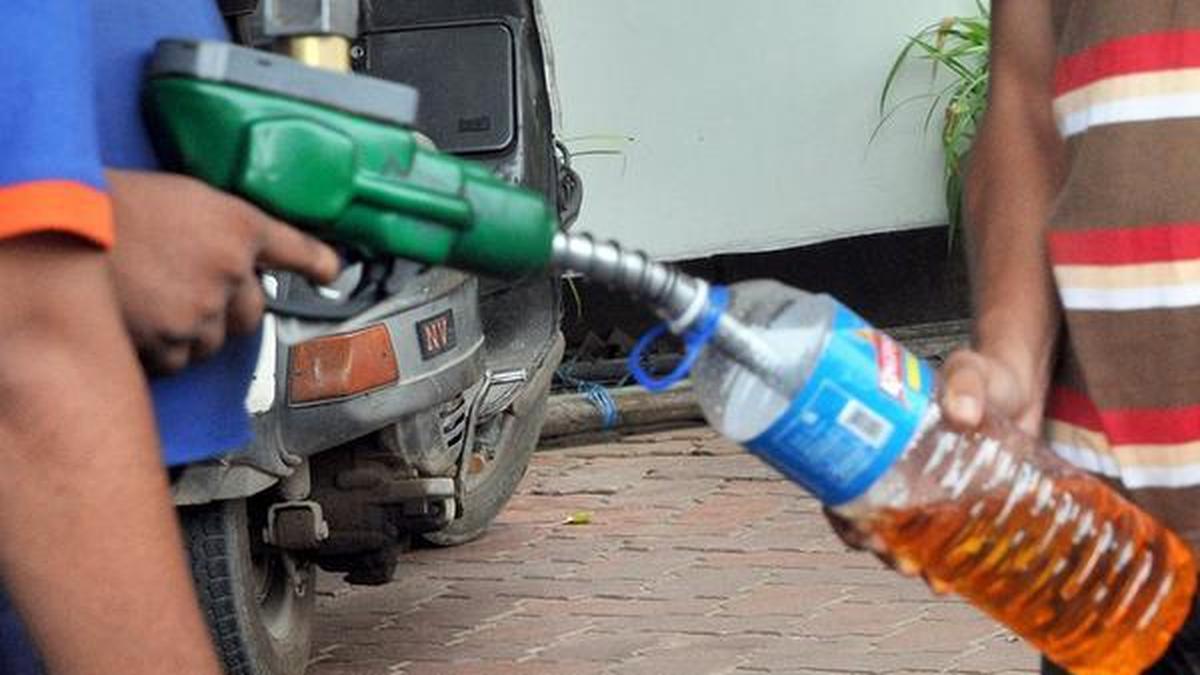
Fuel stations turn away motorists with bottles for refill
Mangaluru
If you’ve recently walked into a fuel station in and around Mangaluru with a plastic can or bottle hoping to fill petrol or diesel, chances are you were turned away. What many motorists considered a routine workaround, especially in emergencies, has suddenly become difficult, leaving commuters and small operators rethinking their options.
But this is not a new rule
Fuel dealers and officials are clear, the restriction on dispensing fuel into loose or unsafe containers has always existed. What has changed now is the seriousness with which it is being enforced. Across the city, fuel stations have begun refusing to fill fuel in anything other than approved metal jerry cans or certified containers. Plastic bottles and makeshift cans are a strict no. Signage has appeared at several bunks, quietly but firmly informing customers of the change. The reason, dealers say is safety, something that was often compromised for convenience. Petrol vapours are highly volatile, and in the current peak summer heat, the risk multiplies.
A loosely sealed plastic container, exposure to sunlight, or even a minor spark can lead to dangerous situations. “We have seen close calls in the past. It’s not worth the risk,” said a pump operator. The push for stricter compliance also comes after renewed instructions from oil companies like Indian Oil Corporation, Bharat Petroleum, and Hindustan Petroleum, which have asked dealers to adhere strictly to safety norms while dispensing fuel. Adding to this, a recent advisory from the Ministry of Petroleum and Natural Gas reiterated that fuel should not be stored or transported in loose or inappropriate containers.
The ministry also pointed out that strict action has already been taken in at least one such violation elsewhere in the country, sending a clear message down the line. Dealers in Dakshina Kannada say the enforcement is also tied to broader monitoring of fuel distribution. With global crude price fluctuations and ongoing geopolitical tensions, there is increased vigilance to prevent misuse or diversion.
“Earlier, these rules were there, but there was some flexibility. Now we are asked to follow them properly,” said a dealer associated with the local association. Fuel stations today are no longer operating in isolation. Automation and digital monitoring systems track transactions in real time. Any unusual or bulk purchase can trigger alerts. “If bulk fuel is given without procedure, it gets flagged. Then there are explanations and checks. So naturally, dealers are cautious,” he added.
Tightening of bulk fuel sales
In many cases, stations are avoiding dispensing more than 50 litres without proper documentation or approved containers. At several private company outlets, even where bulk supply is allowed, it is capped, typically around 200 to 250 litres and only against proper indent and verification. Walk-in bulk buyers without prior request are almost always turned away. There is also a quiet concern over hoarding. With uncertainty in global markets and occasional rumours of shortages, some individuals attempt to stock fuel for resale or future use.
Dealers say the current system is designed to prevent that. Despite these restrictions, fuel dealers insist there is no shortage. “Bunks will not go dry. Supply is normal and controlled,” they say. Regular customers, including businesses and institutions with proper documentation, continue to receive fuel without disruption. Essential services and critical users are being prioritised.
The impact is being felt
Motorists who run out of fuel mid-journey are among the worst affected. The old practice of carrying a bottle to fetch a litre or two is no longer acceptable. Similarly, small contractors, generator operators, and those using machinery like bulldozers now have to plan their fuel needs in advance and invest in approved containers. For many, it is an inconvenience. For the system, it is a correction. What is unfolding in Mangaluru is not a new restriction, but a return to discipline, where safety, accountability and controlled distribution take priority over informal practices.

.jpg)

.jpg)