.jpg)


.jpg)

 English daily published in Bengaluru & Doha

Silent threat breeding in plain sight: Experts spread awareness on World Malaria Day
Mangaluru
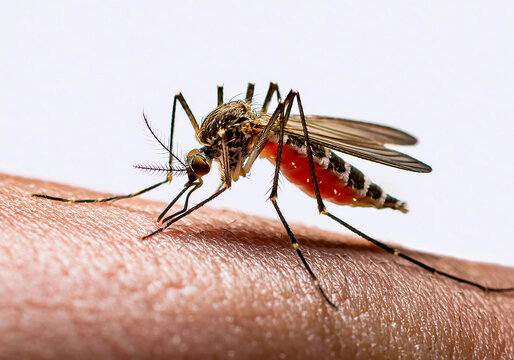
A bowl of water left in a corner, an uncovered storage container, or even a small pot on a balcony - these everyday oversights can quietly turn into breeding grounds for mosquitoes, fuelling the spread of malaria. Malaria, a life-threatening disease caused by parasites transmitted through the bites of infected Anopheles mosquitoes, was once largely associated with the monsoon season but has increasingly been reported as a year-round public health concern in India.
Since 2021, Karnataka has reported fewer than 1,000 annual malaria cases. Bengaluru remains the state's primary hotspot, recording 400–700 cases yearly, with the highest concentrations in its southern zones. Despite the notable decline in the number of cases, the disease persists as a recurring threat. Malaria is both preventable and treatable, yet its eradication is hindered by significant gaps in public awareness and inconsistent preventive practices.
“Early diagnosis and prompt treatment are essential to prevent complications. Individuals should consult a doctor if they develop persistent fever, chills, or flu-like symptoms, particularly after mosquito exposure or travel to high-risk areas”, said Dr Anantha Padmanabha, Consultant, Internal Medicine, Fortis Hospital, Nagarbhavi, Bengaluru. He underscored the importance of preventive measures such as the use of mosquito nets and repellents, along with wearing full-sleeved clothing, especially during evening and night hours when the vector is most active.
Medical experts also cautioned against the misconception that malaria is primarily a rural disease. Urban areas remain equally vulnerable due to stagnant water in construction sites, clogged drains, overhead tanks, and even household containers such as planters and air coolers. “Malaria cases usually rise after periods of rain, when water starts to collect in multiple places. But it is not about rainfall - it’s also how water is managed. Poor drainage and ongoing construction often leave water collecting in places it should not.
Even irregular water supply pushes people to store water, which, if not covered or managed well, becomes a breeding spot”, said Dr Subramanian Swaminathan, Director, Infectious Diseases, Gleneagles Hospitals, highlighting the role of environmental factors. Dr Swaminathan emphasised that more than the effectiveness of preventive measures like repellants and bed nets, it is the consistency. “People tend to use these measures for a few days during peak mosquito nuisance and then stop. Prevention only works when it becomes a routine, not a temporary response”, he stated.
He also said that malaria is frequently underestimated, as early symptoms, including fever, fatigue, body aches, and mild chills, resemble common viral infections, leading to delays in diagnosis. “Public awareness has increasingly shifted towards dengue, and malaria does not always receive the same attention. In some cases, this delay can lead to complications”, he further noted. India has improved malaria treatment and control programmes with advancements in diagnostics and healthcare access. However, experts stress that treatment is most effective when initiated early without delays.

.jpg)
.jpg)