.jpg)


.jpg)

 English daily published in Bengaluru & Doha

India is now hottest place on earth
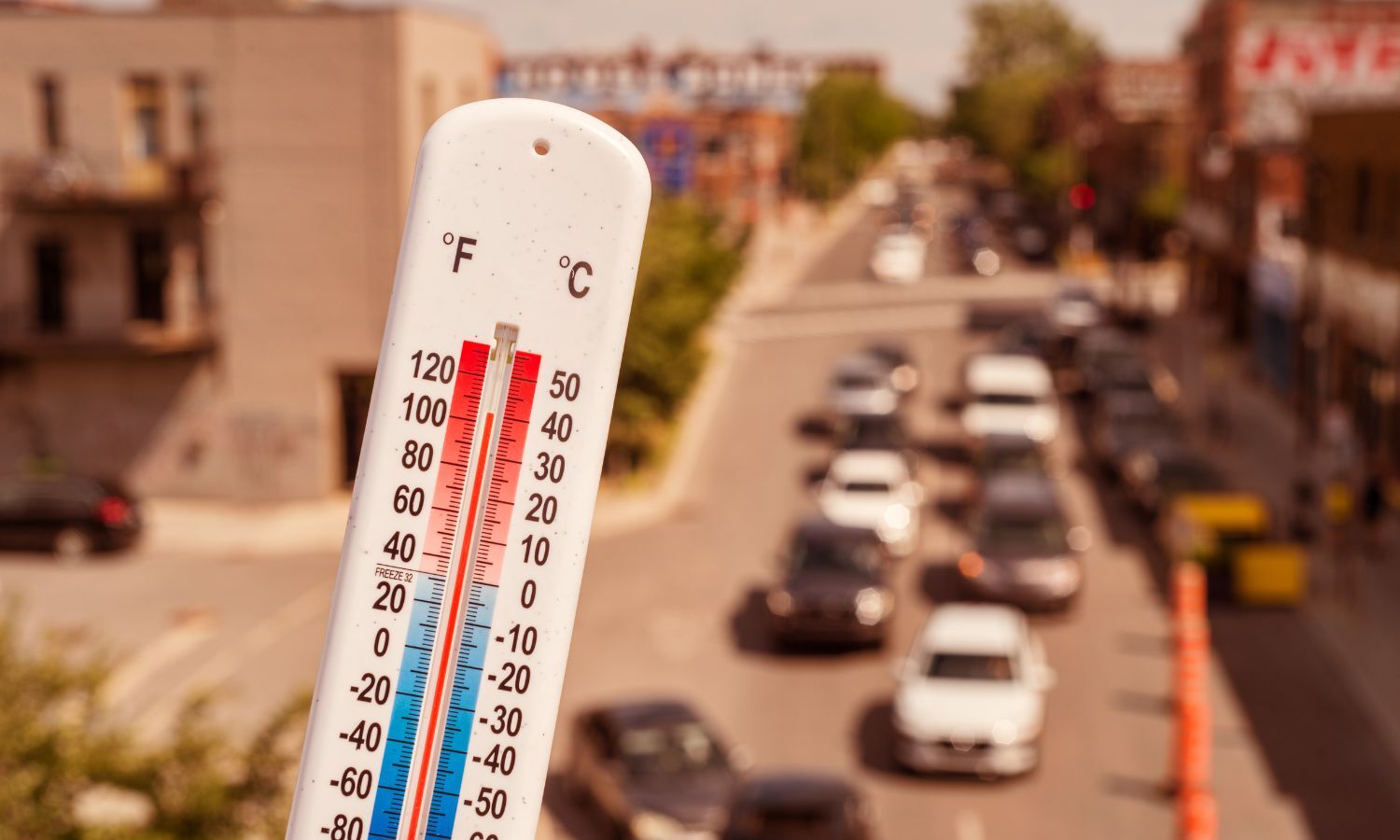
India’s heat crisis has become a major climate, economic, and public health challenge, moving beyond seasonal discomfort to a structural issue affecting productivity, livelihoods, agriculture, and urban systems. India is at the epicenter of a global heat surge, with an overwhelming 95 of the world’s 100 hottest cities located in the country today, according to real-time global temperature rankings. The list is dominated not just by major urban centers but also smaller towns, reflecting how widespread and deep the heatwave conditions have become.
States such as Maharashtra, Telangana, Madhya Pradesh, Uttar Pradesh and Odisha are among the worst affected, with multiple cities from each region featuring prominently in the global top 100. Meteorologists attribute the surge to a combination of factors, including persistent dry winds, clear skies, and delayed pre-monsoon activity. According to the India Meteorological Department (IMD), 2024 was India’s warmest year since 1901, with temperatures about 0.65°C above the long-term average, reflecting a clear climate change-driven warming trend and rising heat extremes. 2024 recorded one of the longest heatwaves in India, with several states experiencing temperatures above 40°C for extended periods.
The urban heat island effect is further intensifying temperatures in densely populated areas due to concretization, reduced vegetation, and high energy use. Seasonal patterns are becoming unstable, with the IPCC Sixth Assessment Report confirming that heatwaves have become more frequent and intense globally due to anthropogenic warming. Limited urban planning for heat resilience, inadequate cooling infrastructure, and weak public health preparedness further amplify vulnerability. According to CEEW, vulnerable groups such as construction workers, gig workers, and slum dwellers face the highest exposure to heat stress. Heat stress reduces crop yield, increases irrigation demand, and disrupts sowing cycles.
This threatens food security, especially for heat-sensitive crops like wheat. Alarmingly, in India heatwaves are not recognized under the Disaster Management Act, 2005, which restricts access to national disaster funds and large-scale mitigation efforts. Laws such as the Factories Act, 1948 exclude most outdoor workers, while the Occupational Safety, Health and Working Conditions Code, 2020 lacks enforceable heat safety provisions. Most heat action plans (HAPs) remain advisory in nature, without legal backing, dedicated funding, or strict implementation mechanisms.
Thus, lack of proper laws, poorer implementation, lack of scientific approach for adaptability and mitigation is costing India. Studies suggest potential GDP loss of up to 4.5 percent by 2030 due to heat stress. Sadly, no political party in India, including the ruling dispensation, has taken proper and adequate measures for the general people. For now, India remains the hottest place on Earth, an extraordinary statistic that reflects both the immediacy of the heatwaves and the growing challenge of extreme weather in a warming world.
.jpg)
.jpg)
.jpg)
.jpg)
.jpg)
.jpg)