.jpg)


.jpg)

 English daily published in Bengaluru & Doha

Ripple effects of LPG price hike
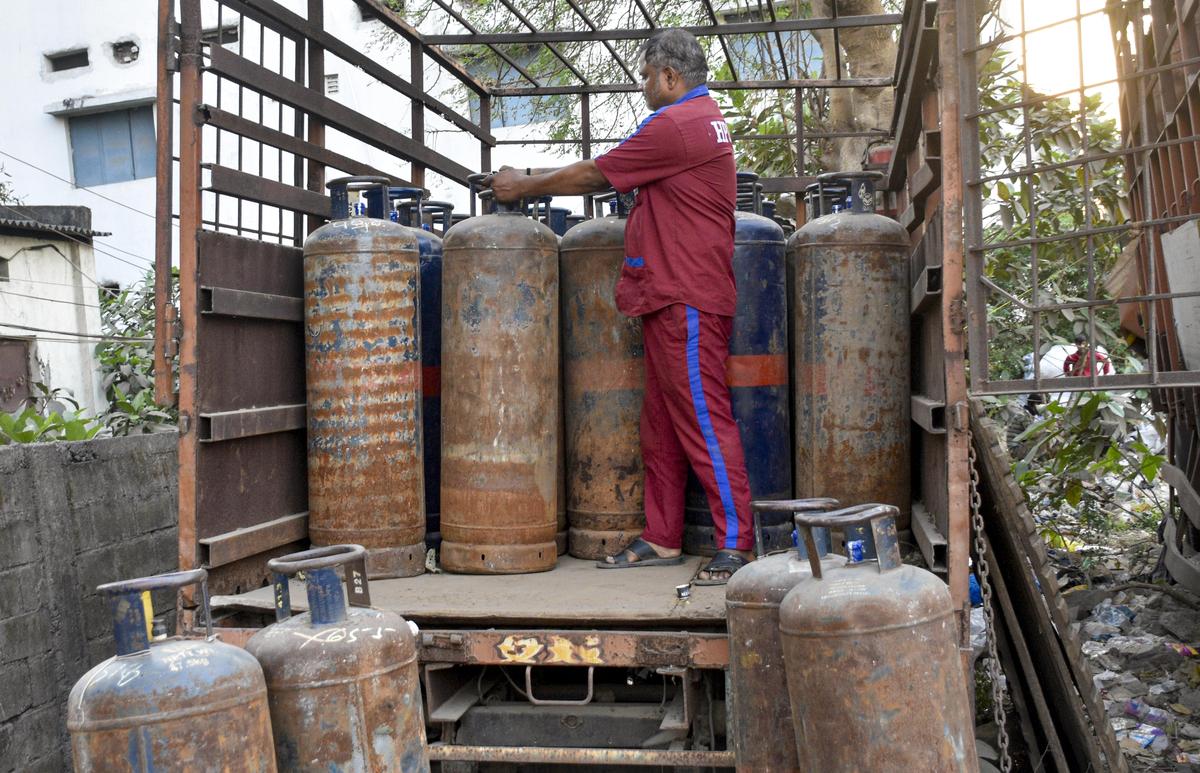
The record increase of Rs. 993 in the price of LPG cylinders for commercial use effected by the Union government on May 1 is a stark reminder of the country’s acute vulnerability to the impacts of the Iran War, which shows no sign of ending any time soon. With prices now exceeding ?3,000 in major cities, this third monthly increase on the trot has pushed the cumulative hike to over ?1,300 in just two months. While there is no shortage of petrol or diesel, and the government has frozen domestic LPG rates to shield kitchens, the economic pain is inevitably entering households through a “side entrance”, as it were.
The cumulative hardship is immediate and broad. Businesses, especially smaller ones ranging from roadside eateries and tea shops to cloud kitchens, operate on wafer-thin margins. They are now faced with a Hobson’s choice: they must increase the price of food items. In Bengaluru, several eateries have already raised prices by at least ?20. Small chaat shops have raised the price of a plate of masala puri from ?35 to ?45 in some areas. While that might offset their additional costs, they may end up with fewer customers, which, in turn, means thinner margins or even a loss. The ripple effects extend to students and migrant workers.
Owners of PGs and hostels where food is provided have hiked rents by up to 10%. For employees living in small rooms without cooking facilities, these combined increases in rent and eating-out costs create a substantial hole in the pocket. The surge in LPG costs will also have a destabilising impact on the informal economy, which provides employment to millions of people in our country. As small establishments struggle to stay afloat, the first to be hit are workers at the bottom of the chain, such as delivery partners, daily-wage staff, and informal kitchen help.
The crisis will also affect the broader supply chain, involving vegetable traders, dairy vendors, and local wholesalers who will see fewer orders as restaurants scale down their operations. Though the crisis is not India-specific and the Union government has taken a slew of measures to protect industries, it must immediately look into the cascading effect caused by the recent steep commercial LPG increase. The hotel and restaurants associations have demanded slashing the GST from 18% to 5%. It is a just demand that must be acceded to. The government must also put in place a mechanism to support small and medium businesses in this sector, as well as their employees, because the cascading effects run far and wide across society.
.jpg)
.jpg)
.jpg)
.jpg)
.jpg)
.jpg)