.jpg)


.jpg)

 English daily published in Bengaluru & Doha

Rising accidents expose city’s infrastructure, conduct flaws
Bengaluru
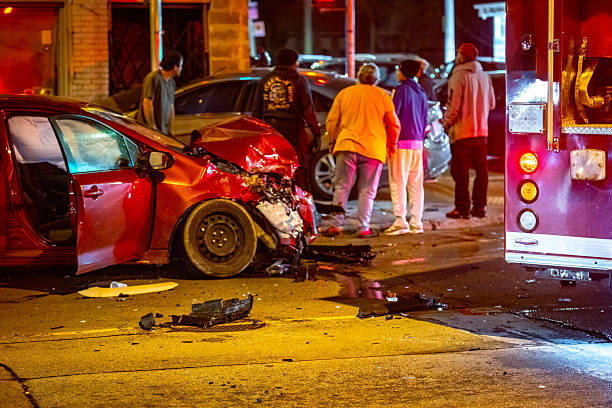
Bengaluru has become infamous for its traffic snarls, a reputation borne out by data. The city recorded 4,887 road accidents within its limits in 2025 – about 13.3 a day. In 2026, 1,393 accidents have already been reported in the first four months. While most accidents are non-fatal, about 17% resulted in loss of life – a figure significantly higher than in many global cities, where recorded deaths typically range between 100 and 200 annually. In Bengaluru, the toll stood at 807 in 2025, with non-fatal accidents running into the thousands. According to Vasim Ahmed, Police Inspector at Pulakeshinagar, accidents are largely caused by driver impatience, inattention and inadequate infrastructure.
“The old infrastructure, combined with a rising population, is why there are so many accidents. In congested traffic, people become impatient and make mistakes. Proper infrastructure is also essential. When a flyover ends in a bottleneck, it leads to congestion. In many areas, roads remain as they were in the 1990s and 2000s, even as both population and vehicle numbers have surged,” he said. He added that traffic police face challenges managing the situation and are increasingly relying on drivers’ cooperation, improved infrastructure, and newer technologies such as drones and AI. Pedestrians and two-wheeler riders account for the majority of accident victims.
For pedestrians, at least, safety measures are being stepped up, said Vivekanand of GIZ India. “Things are improving. The government is introducing measures such as traffic islands and pedestrian-friendly infrastructure. Gradually, there is progress on that front. Such infrastructure goes a long way. However, much of the problem also stems from people’s mindset – impatience and the belief that time is money,” he said. On solutions, he highlighted the need for education, which remains largely unaddressed. “Schools can introduce road safety classes and initiatives, such as students acting as traffic marshals temporarily.
Even basic awareness – look left, look right, then left again before crossing – can make a difference,” he said. He also suggested measures such as traffic medians to prevent vehicles from entering the wrong side after turns, along with stricter enforcement through a points-based penalty system linked to driving licences. However, much of the chaos on Bengaluru’s roads could be avoided if motorists adhered to basic rules and exercised discipline, Vivekanand added.
.jpg)
.jpg)