.jpg)


.jpg)

 English daily published in Bengaluru & Doha

‘Small’ fuel price hike, bigger message
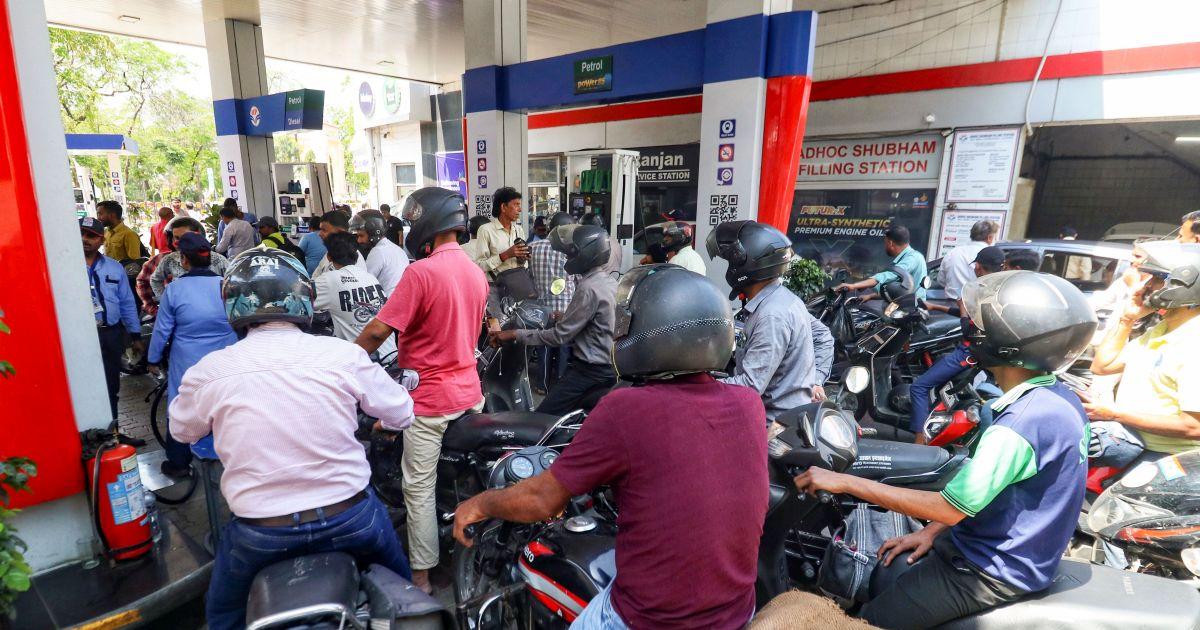
Petrol and diesel prices were increased by Rs3 on May 15. The reason was a supply crunch caused by the effective shutdown of the Strait of Hormuz amid the ongoing Iran war that began on February 28. The price hike, predictably, set off concerns among consumers and a flurry of political war of words. More than that, it was a reminder that fuel is not just a commodity; it is a political issue, an inflation issue, and a test of how far the government can shield citizens from global volatility without straining its own finances. This ?3 increase came after four years.
That long period of price stability had created a false impression that consumers were insulated from any change in fuel costs. But in reality, it was a government-managed balance which ensured that irrespective of global crude price fluctuations, the price of petrol and diesel at fuel stations remained unchanged. When crude prices were high, consumers were protected. When prices fell, especially in 2025, the benefit did not reach consumers. Effectively, the government used that period of softer global prices to build a cushion for rainy days. The May 15 hike suggests that this cushion has either been exhausted or is close to exhaustion.
Some economists have even suggested the possibility of further “small” increases at periodic intervals. The government has described the May 15 increase as a “small” one, especially after a four-year freeze and compared with some other countries. To be fair, the hike is only around 3%, while in the US, prices have moved up over 40%. But what is not always acknowledged is that fuel prices in the US are fully market-linked. So prices there rise and fall with global crude. In India, by contrast, the consumer has often been insulated from the full ups and downs of the market. That is why the real issue is not whether this is a “small” increase or a “big” one.
In a globalised oil market, even a “small” hike signals that international price shocks will eventually be passed on to household budgets. The real question is who should bear the burden: should consumers pay immediately at the pump, or should the government absorb and regulate the spike? While household budgets will always remain tied to global price volatility, the government can still be fair and transparent in the way that burden is shared. India now needs to move away from ad hoc price changes towards a more predictable and equitable mechanism. A stable price at the petrol pump is comforting. A stable policy is better.
.jpg)
.jpg)
.jpg)
.jpg)
.jpg)
.jpg)