.jpg)


.jpg)

 English daily published in Bengaluru & Doha

Dubare incident highlights need for stricter eco-tourism norms
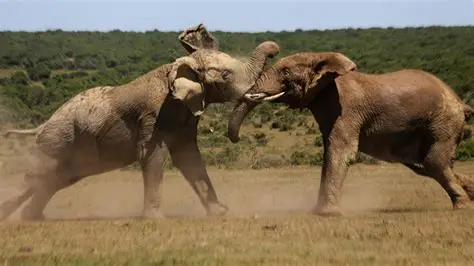
The recent tragedy at the Dubare elephant camp in Kodagu district, in which a woman tourist from Chennai lost her life and a captive elephant, Marthanda, died following a violent altercation with another elephant, has sent shockwaves across the country. The heartbreaking incident has once again underscored the pressing need for stricter enforcement of safety regulations governing public interaction with wild and captive animals.
“While the loss of both human and animal life is deeply regrettable, such incidents are unfortunately documented within the broader context of eco-tourism and human wildlife interfaces, where the behavioural responses of large mammals can occasionally become difficult to anticipate under dynamic environmental and social conditions,” said Avinash Krishnan, Director (Conservation Science), ARocha India, and Member of the IUCN Asian Elephant Specialist Group.
He noted that responsible wildlife observation and nature-based tourism are important for fostering public engagement with conservation, but emphasised that strict adherence to established safety protocols and behavioural guidelines is essential during close-range interactions with elephants. Krishnan further explained that elephants, much like humans, display distinct individual temperaments and behavioural variability.
He observed that Kanjan, the elephant involved in the incident, reportedly had a history of high-risk agonistic behaviour and, as a precautionary measure, should ideally have been excluded from situations involving close human-elephant interaction.
Multiple factors
He further stated that elephants are highly sentient and socially complex animals whose responses can be influenced by multiple interacting factors, including stress, crowd density, unfamiliar stimuli, noise levels, spatial restriction, and prolonged exposure to human activity. Even in the absence of overt warning signs, sudden behavioural escalation may occur when an animal experiences discomfort, a perceived threat, or sensory overload.
“Experienced mahouts and handlers who have worked closely with elephants over extended periods may be able to identify subtle behavioural cues associated with stress or agitation. However, such indicators are often not readily perceptible to visitors or tourists, underscoring the importance of precaution, awareness, and carefully regulated interaction protocols,” he added.
Conservationist and founder of Wildaholic, Yashas Bharadwaj, stressed that elephant camps such as the Dubare Elephant Camp must adhere to strict safety protocols while handling elephants.
Exercise caution
"The animals should share a trusted bond with handlers be fore being allowed to interact with humans. At the same time, people must avoid approaching wild animals in extreme proximity merely for social media pictures,” he said, underlining the need for visitors to exercise caution during such interactions for their own safety.
Yashas noted that the Dubare camp also offers activities such as feeding and bathing elephants, adding that bathing sessions can be particularly risky because of the close proximity to the animals and the lack of clear in structions provided during the activity. “People can observe and appreciate the beauty of elephants from a safe distance without causing them distress,” he said.
“The incident could certainly have been avoided had the Forest Department and authorities been more alert,” said wildlife activist Joseph Hoover. He further argued that elephant camps should focus on conservation rather than commercialisation for tourism purposes. Hoover also called for greater accountability from the Project Elephant Director and the Forest Department authorities over broader issues concerning elephant protection in the state.

.jpg)

.jpg)