.jpg)


.jpg)

 English daily published in Bengaluru & Doha

As monsoon arrives, MESCOM faces big test
Mangaluru,
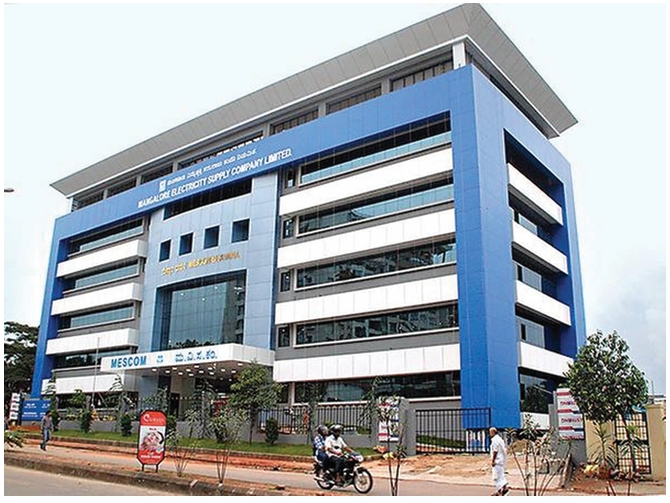
For the residents of coastal Karnataka, arrival of the mosoon brings relief from summer heat, replenishes water sources and breathes life into agriculture. But alongside the rains comes another annual concern - power disruptions. Recognising the challenges that lie ahead, Mangalore Electricity Supply Company (MESCOM) has activated a special monsoon response mechanism across its service area, deploying emergency teams and resources to tackle weather-related power outages during the coming months.
The move comes as the southwest monsoon gathers momentum across Dakshina Kannada, Udupi, Chikkamagaluru and Shivamogga districts - regions that receive some of the highest rainfall in Karnataka. While the rains are vital for the economy and ecology of the region, they also place enormous pressure on electricity infrastructure. Every monsoon tells a familiar story. Trees uprooted by strong winds crash onto power lines, landslides damage distribution net works in hilly areas, and waterlogged conditions make repair work difficult.
In remote villages nestled within the Western Ghats, restoration teams often battle heavy rain, poor visibility and difficult terrain to bring power back to homes and businesses. For MESCOM, monsoon preparedness is no longer merely a seasonal exercise but an operational necessity. This year, the utility has positioned emergency personnel and vehicles across vulnerable locations, ensuring that teams can respond quickly whenever faults are reported.
Round-the clock monitoring and complaint management systems have also been strengthened to improve coordination during emergencies. However, the challenge extends beyond repairing damaged lines. Power supply today underpins almost every aspect of daily life. Hospitals, schools, water supply systems, communication networks, businesses and households depend heavily on uninterrupted electricity. Even short outages can disrupt routine activities, while prolonged interruptions can affect public services and local economies.
The coastal belt presents a unique set of challenges. Unlike urban centres where faults are often easier to identify and rectify, many rural and forested stretches have transmission lines passing through dense vegetation. Continuous rainfall and gusty winds increase the likelihood of trees and branches falling onto electrical infrastructure. To address this, MESCOM has intensified preventive measures, including trimming vegetation near power lines, inspecting vulnerable installations and carrying out maintenance works before weather conditions worsen.
The importance of such preparedness becomes evident when viewed against past experiences. Monsoon-related damage has repeatedly resulted in significant losses to infrastructure, requiring extensive repair work and straining available resources. With weather patterns becoming increasingly unpredictable, utilities are under growing pressure to improve resilience and response capabilities. Experts believe that while power disruptions during extreme weather cannot be entirely avoided, effective preparedness can substantially reduce restoration time.
Quick response teams, better coordination and preventive maintenance often determine how efficiently a utility navigates the monsoon season. For consumers, expectations remain straightforward. They seek timely restoration of power, prompt communication during outages and assurance that essential services remain unaffected despite adverse weather conditions. As the rains intensify, MESCOM's preparedness strategy will face a real time test. The coming weeks will reveal whether the measures taken are sufficient to withstand the season's challenges. For now, the utility has sent a clear message: the monsoon may be inevitable, but prolonged power disruptions need not be.

.jpg)

.jpg)