.jpg)


.jpg)

 English daily published in Bengaluru & Doha

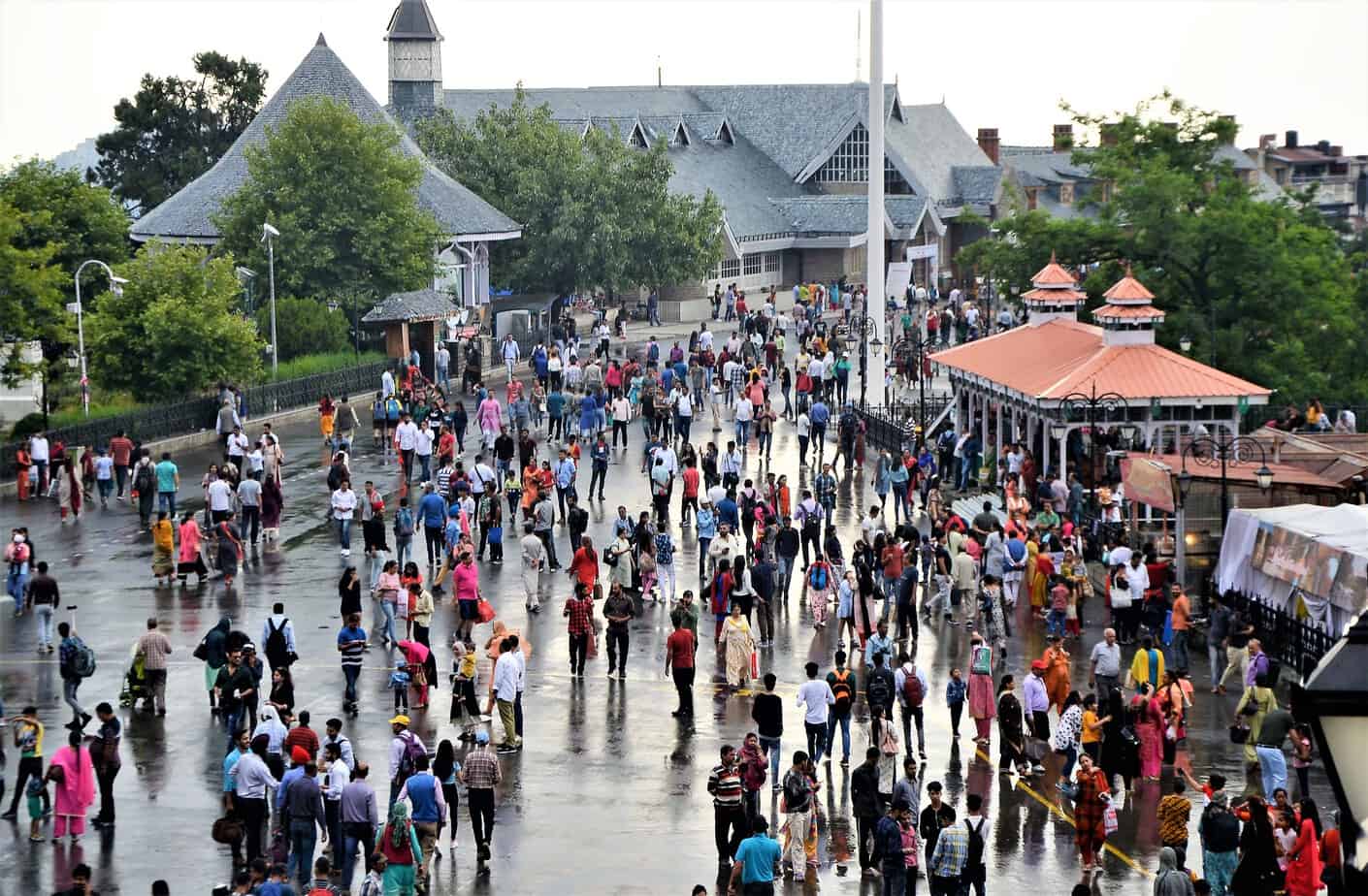
Bane of overtourism
Even as summer is peaking, reports emanating from the most popular hill stations such as Shimla, Manali, Nainital, Darjeeling and Uthagaman dalam are showing distressful signs of overtourism and wear and tear of fragile infrastructure. Record number of tourists pouring into these destination have led to long traffic jams, water shortages, mounting piles of waste and foul air. Tourists are facing what they were fleeing from in the currently searing plains and singed cities across the nation.
These are unmistakable signs of what potentially irreversible damage can be caused by unsustainable tourism. Heavy vehicular influx and massive footfall of tourists has triggered severe air pollution, exhaust accumulation and snowmelt. Shimla alone witnessed the unprecedented tourist surge this summer with over 6.31 lakh vehicles entering the town between May 1 and May 24 causing chaotic scenes. All this in a city where parking lots can take just about 5,000 vehicles. Nainital did only a little better with 50,000 vehicles entering the hill station on each weekend.
The numbers are not unique. Nor is the influx any aberration. Himachal Pradesh recorded 18,124, 694 tourists in the calendar year 2024. The unregulated growth of tourism has led to proliferation of tourist infrastructure. The surge in tourist influx is straining delivery of basic services in hilly towns which in most cases are the principal economic hubs of the hills states. Hotels, homestays, tourist vehicles, and parking lots, often encroach on ecologically sensitive areas such as slopes rendered unstable due to deforestation.
Cascading ecological impact of the revenue-driven growth strategy is increasingly manifest through horrific avalanches, landslides, dam bursts and extreme weather events which smudge the tourism calendar year after year. Torrents of flash floods have swept away highways, tunnels, hydropower stations repeatedly in Uttarkashi region besides causing loss of countless lives. Statistics bear out that of the 1,186 days during January 2022-March 2025 period, 822 days experienced extreme weather events in 13 hill states stretching from Jammu and Kashmir to Arunachal Pradesh resulting in death of 2,863 people.
The mindless deforestation and development of settlements, resorts, highways have enhanced the slope instabilities and made the region extremely vulnerable to natural hazards. There is no gainsaying that the region is bearing the brunt of systemic failure rooted in hypothesis that the Himalayas can be inexhaustible resource base for development. It totally disregards the fact that it is environmentally sensitive ecosystem and one of the most seismically active zone.
The Supreme Court had in a recent ruling had held that power projects, four-lane highways, deforestation, proliferation of multistoried structures pose grave risk to the region. The ruling had warned against the tendency of revenue generation at the cost of environment and ecology. It is time development in the Himalayan states is reimagined by taking into account the environmental concerns, ecological awareness and hazards faced by the communities inhabiting the regions and their resilience capacity
.jpg)
.jpg)
.jpg)
.jpg)
.jpg)
.jpg)