.jpg)


.jpg)

 English daily published in Bengaluru & Doha

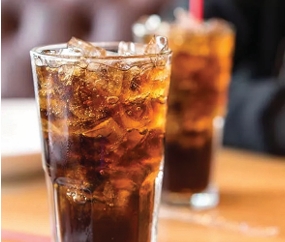
How safe for consumption are diet sodas?
Bengaluru,
Diet sodas are more popular now than ever before. As people become increasingly health-conscious and food science evolves to meet consumer demand, diet sodas combine the taste of popular soft drinks with the promise of minimal calories by using sweeteners instead of sugar. However, concerns have been raised about the effects of these sweeteners.
“The sweeteners commonly used in most diet sodas include aspartame, acesulfame potassium (Ace-K) and sucralose. There is currently sufficient evidence from a variety of scientific studies showing that these artificial sweeteners are safe to consume when taken within their recommended daily intake limits. However, a number of studies have raised questions about the potential long-term effects of excessive consumption of artificial sweeteners on gut bacteria, appetite regulation, metabolic health and cravings for sweet foods. Research is still ongoing in these areas, and therefore no conclusive data is yet available. People who have a rare metabolic disorder known as phenylketonuria (PKU) must avoid products containing aspartame, as they cannot properly metabolise one of its components,” said Chitra B.K., Chief of Dietetics at KIMS Hospitals.
These sodas have been approved by regulatory bodies in India and abroad, including the World Health Organization (WHO), the U.S. Food and Drug Administra tion (FDA) and the European Food Safety Authority (EFSA). “The main advantage of diet sodas is that they contain little or no sugar and usually far fewer calories than regular soft drinks. For people with diabetes, obesity, or those trying to reduce their sugar intake, they can serve as a reasonable alternative to sugar-sweetened beverages,” said Veena V., Chief Clinical Dietician at Aster Whitefield.
As these drinks become increasingly popular, studies are now pointing to a different set of concerns related to metabolism and behaviour. “Recent research suggests that frequent consumption of artificially sweetened beverages may affect appetite regulation and alter gut microbiome composition in some individuals. A few studies have also identified links between higher consumption of diet beverages and metabolic health concerns, although it has not been definitively proven that one directly causes the other,” said Veena.
While the doctors said diet sodas are a better alternative to regular sugary soft drinks, they are not suitable substitutes for hydration. “Diet sodas should not be mistaken for health drinks. Water remains the best beverage for hydration, while unsweetened and nutrient-rich options such as buttermilk, coconut water and herbal tea can be considered healthier alternatives that offer additional nutritional benefits. Diet sodas are generally viewed as a temporary solution by people trying to reduce their sugar in take,” said Chitra B.K.



.jpg)

