.jpg)


.jpg)

 English daily published in Bengaluru & Doha

Citizenship conundrum and solutions
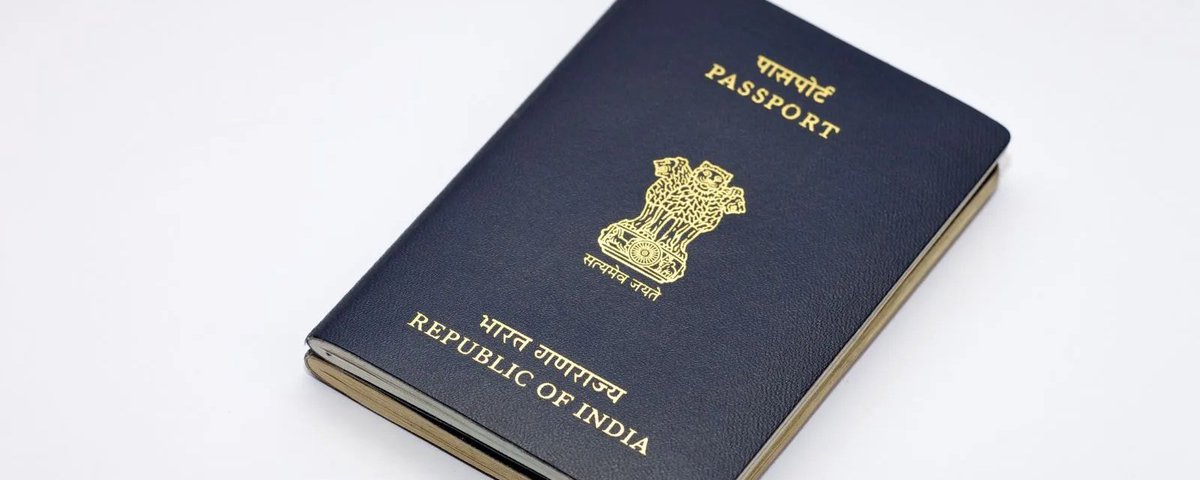
Last week, lakhs of Indians, who have lived in India for generations, might have suddenly wondered what proof they have if someone questioned their citizenship. This followed a casual remark by a Ministry of External Affairs official on the occasion of the 14th Passport Seva Divas on June 24, stating that a passport is an international travel document and not legal proof of citizenship.
Though the official briefing was meant to extol the services of the Passport Seva Kendras and recent improvements to Indian passports, what made news was the comment on citizenship. This comes in the background of multilayered contexts. First, many people presume a passport is definitive documentary proof of citizenship and often apply for one with no intention of travelling abroad.
Secondly, a passport is often used as proof of citizenship to obtain government benefits. Thirdly, there is widespread concern over for eigners migrating illegally into India or overstaying, subsequently acquiring fraudulent documents and ultimately the status of an Indian citizen. And lastly, the controversies surrounding the Citizenship (Amendment) Act of 2019, the National Register of Citizens, and the ongoing Special Intensive Revision (SIR) of electoral rolls.
The government is correct that a legal nuance exists between holding an Indian passport and legally establishing citizenship. The distinction lies in the fact that one relates to the Passports Act of 1967 and the other to the Citizenship Act of 1955. Additionally, under Section 20 of the Passports Act, an Indian passport can be issued to a non-citizen.
A 2013 Bombay High Court ruling also affirmed that an Indian passport does not legally establish the holder’s citizenship. This unexpected debate offers an opportunity for the government to act. The simplest solution would be to amend the law, making a passport legal proof of citizenship unless proved otherwise or contested in court.
In exceptional circumstances where a passport is issued to a non-citizen, it could be differently colour-coded. Another option is for the UIDAI, which has a robust backend technological infrastructure, to make the process of issuing Aadhaar as thorough as that of a passport, and upgrade Aadhaar to a citizenship and identity card.
It could be colour-coded to differentiate between categories, like Indians and foreigners, or government and private employees, etc. A third, more comprehensive option would be creating an entirely new citizenship and identity card, eventually eliminating the need for multiple documents like Aadhaar, PAN, and voter IDs.
.jpg)
.jpg)
.jpg)
.jpg)
.jpg)
.jpg)