.jpg)


.jpg)

 English daily published in Bengaluru & Doha

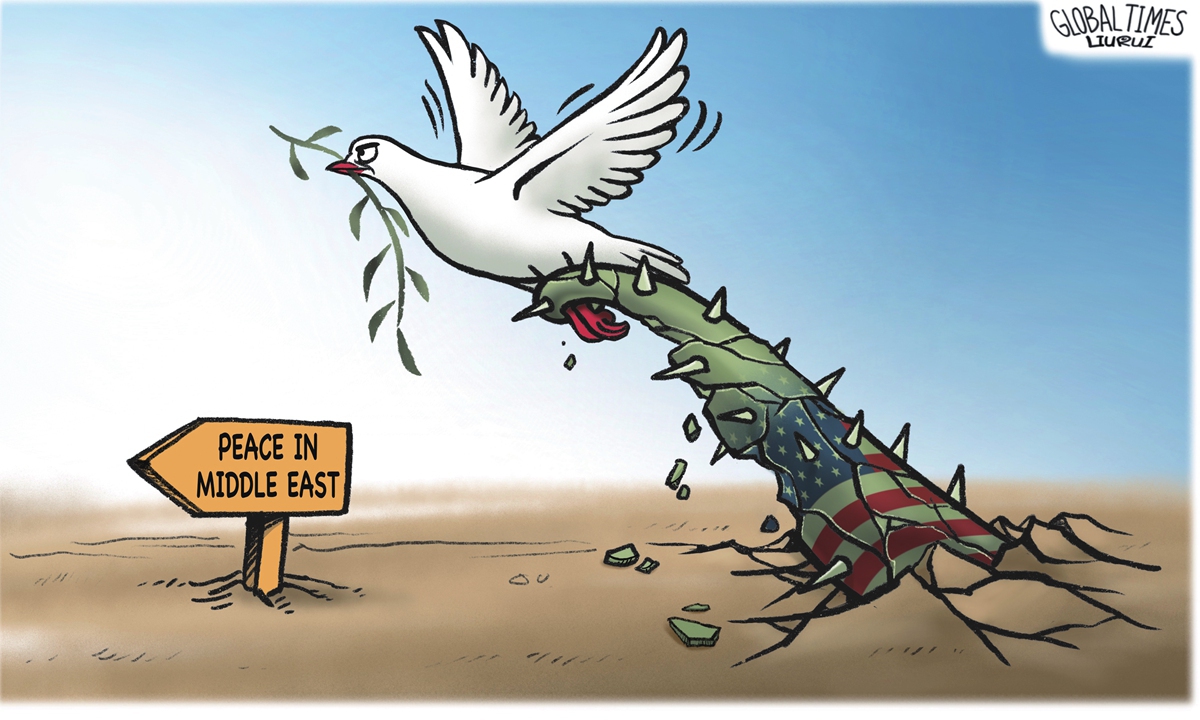
Imperatives for lasting peace in the Middle East
With recent exchanges of strikes between the United States and Iran, the future of peace in the Gulf increasingly appears fragile. Though the fatigue-ridden two sides are in no mood to spoil prospects of a lasting resolution of the imbroglio—the current one holding peace is a 60-day Memorandum of Understanding(MoU)—they are averse to avoiding retaliation.
The 40-day conflict has more than convinced both the combatant nations of the futility of war that may ultimately prove to be another quagmire a la Vietnam and Afghanistan. The pointers emerging from the conflict are enough indication that Iran though sustained major losses, has emerged stronger and resilient and that surrender doesn’t find a presence in its vocabulary.
The US having failed in achieving the major strategic goal of regime-change in Iran, has in fact ended up conceding major concessions. The US has agreed to provide Iran access to its frozen funds and has also agreed to contribute $300 billion for reconstruction of Iran. All that the US gained was a reiteration of Iranian commitment never to develop a nuclear bomb.
The perception that the US was forced into the conflict at the behest of Israel too is seeping down among the general taxpay ers and lobbyists in the US which would have repercussions in vote for the House of Representatives later this year. US military losses and repair costs were estimated at between $1.4 billion and $2.9 billion.
The US Armed forces were running low on missile stockpile too and faced imminent threat of major reverses at the hands of the Iranian Revolutionary Guards. The devastation caused by Iranian missiles at the US naval base in Bahrain, Ras Laffan oil terminal and Al-Odeid American base in Qatar, Al-Ruwais and Sader oil facilities in the United Arab Emirates and Prince Sultan airbase in Saudi Arabia have drilled holes into any hope of future reliance on the United States defense strategy.
Arab regimes of the region have emerged weak and less sure of the effectiveness of the security blanket provided by the United States, its bases and vast stockpile of arms purchased against petrodollars. Iran not only regionalized the war but also slapped costs on the global oil clientele by shutting down the Strait of Hormuz.
Not only did oil prices zoom, the insurance rates also soared. Most of the Arab regimes, hitherto content with being US stooges, are convinced that regional stability is predicated upon coexisting with Iran rather than playing footsie with distant patrons. Israel’s situation had never been worse than today.
The Zionist state’s dream of reshaping the region and remaining a major security player by turning Sunni Arabs against Shiite Iran lies in tatters. Prospects of expanding Abraham Accord—signed with Morocco, Jordan and the UAE so far—is in jeopardy. Hostility against Iran is neither working as leverage with US President Donald Trump nor even proving effective as a measure for mobilizing public opinion. What it fears most is that its plan of containment of Iran in the region will be replaced by the recontainment of Israel by most Arab regimes.
.jpg)
.jpg)
.jpg)
.jpg)
.jpg)
.jpg)