.jpg)


.jpg)

 English daily published in Bengaluru & Doha

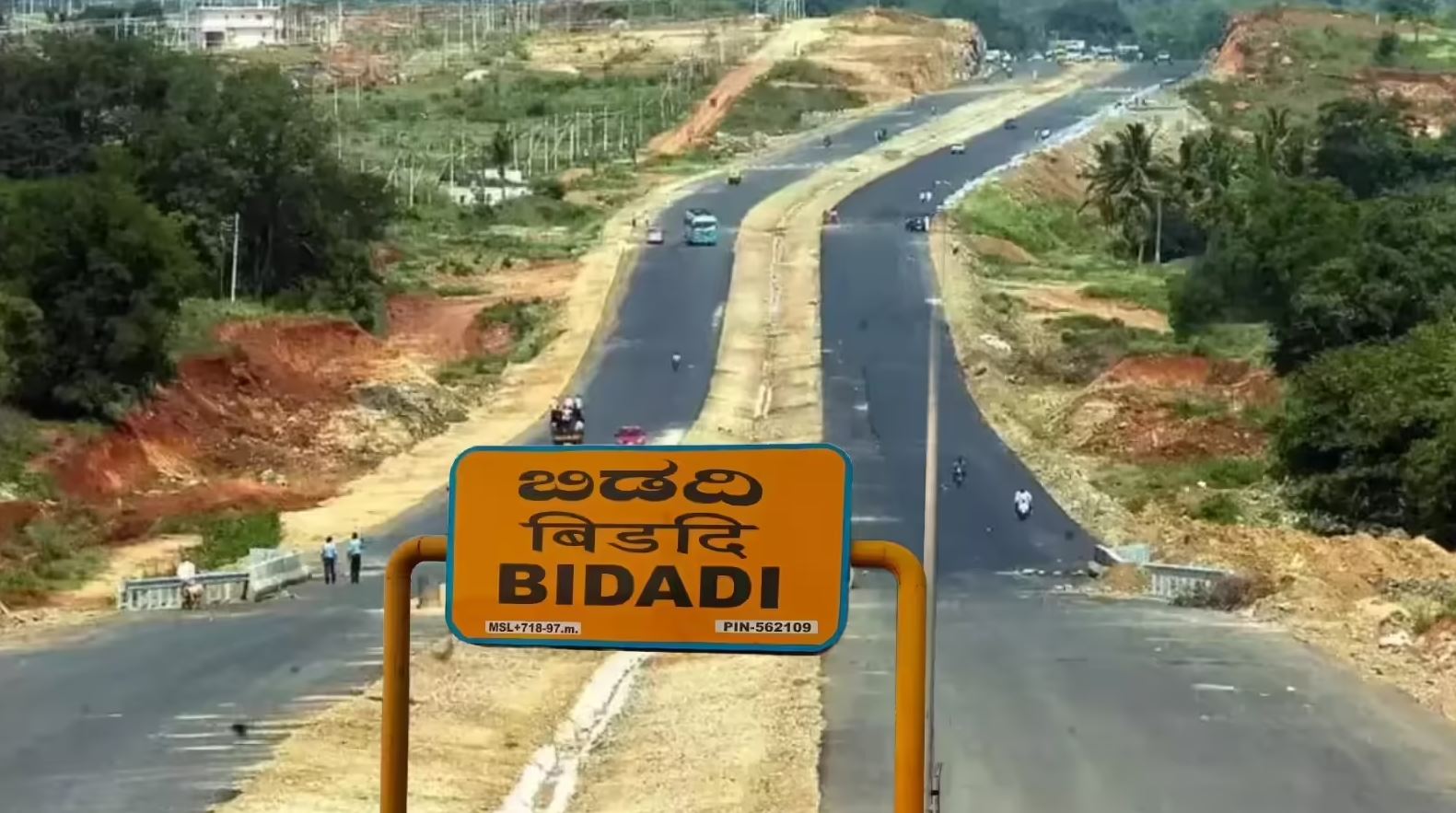
Bidadi: Consensus not confrontation needed
The proposed Greater Bengaluru Integrated Township (GBIT), also known as the Bidadi AI City, has been in the eye of the storm since 2006 when it was first mooted. The project aims to create an AI-powered hub, ease urban pressure on Bengaluru, and generate over 1 lakh jobs. However, the project is controversial on many counts. The first serious concern is the impact on the environment with proposed felling of nearly 2 lakh trees. The clearing threatens to devastate highly fertile, green agricultural land spanning 26 villages , affecting 3500 farmers, and dairy farmers.
There are legal considerations too. Despite pushing for the project, the Greater Bengaluru Development Authority (GBDA) failed to obtain the mandated 80% consent from landowners. It is alleged that the government has bypassed safeguards under the Right to Fair Compensation and Transparency in Land Acquisition Act, 2013. Land acquisition under the Karnataka Urban Development Authority Act side steps safeguards under the central 2013 Land Acquisition Act, which mandates a Social Impact Assessment. Significantly, the ?20,000-crore project has not yet received final environmental clearances from the Ministry of Environment, Forest and Climate Change (MoEFCC).
The Greater Bengaluru Authority (GBA) has floated tenders to hire environmental consultants for conducting the Environmental Impact Assessment (EIA) studies and drafting the EIA report. (GBDA) has also floated a Rs 26-crore tender to appoint a consultant for preparing the master plan, detailed project report (DPR) and providing project management services for the proposed GBIT. Once the EIA report is finalized, it must be reviewed by the State Level Environment Impact Assessment Authority (SEIAA) or the MoEFCC to secure the master Environmental Clearance (EC). It does not end there.
Following the EC, the project must also receive 'Consent for Establishment' (CFE) from the Karnataka State Pollution Control Board (KSPCB). AI infrastructure is a water intensive sector. Bidadi farmlands, including the proposed project area, are dependent on borewells that tap water into fractured gneiss and granite aquifers. Like much of the peripheral areas near Bengaluru, intensive borewell reliance makes the local water table susceptible to seasonal depletion.
Bengaluru’s 2024 water crisis exposed how vulnerable the city is , when reservoirs decline and groundwater extraction outpaces replenishment. According to a 2026 report by the Council on Energy, Environment and Water (CEEW), a typical 100-megawatt (MW) hyper scale data centre, , can consume around 20 lakh litres of water per day for cooling. In a city which still depends on tankers, adding a water-hungry AI infrastructure without a clear strategy of water crisis mitigation is risky. One hopes the Karnataka government adopts the path of reconciliation and make sure that all are brought on board so that the politics of consensus wins and not of confrontation.
.jpg)
.jpg)
.jpg)
.jpg)
.jpg)
.jpg)