.jpg)


.jpg)

 English daily published in Bengaluru & Doha

Unscientific development to blame for water crisis: Experts
Bengaluru
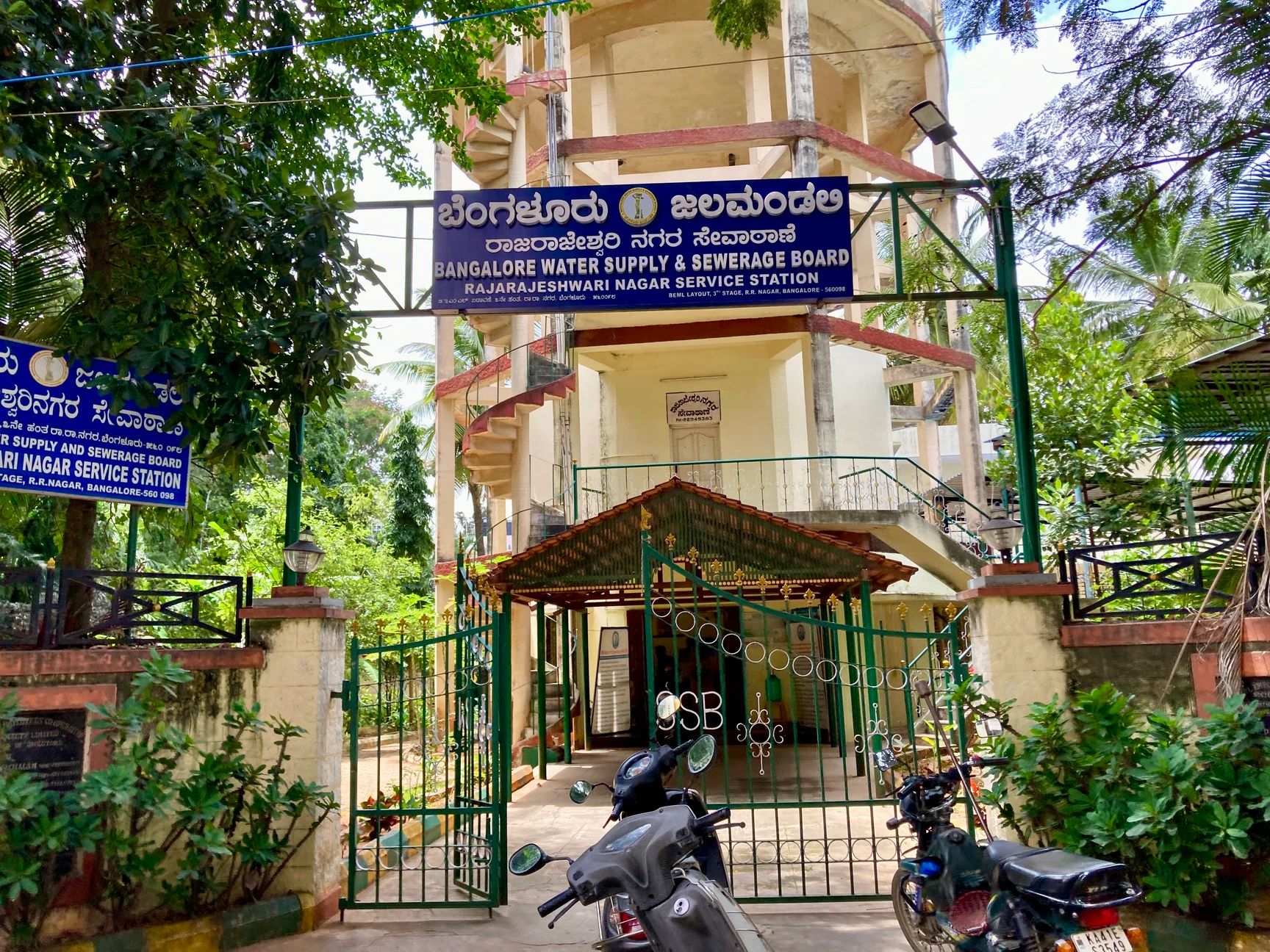
Bengaluru is facing a monsoon rainfall deficit, prompting the Bangalore Water Supply and Sewerage Board (BWSSB) to impose strict water conservation measures. Citizens have been directed not to use potable water for washing vehicles, watering plants, cleaning roads and footpaths. Residents are barred from using swimming pools, and water-saving aerators are mandatory in residential, commercial, and institutional buildings. As India's Silicon City and a major IT hub, Bengaluru has witnessed rapid urban expansion and infrastructure development over the years.
However, this growth has also intensified concerns about environmental sustainability. Shrinking green cover, in creasing pressure on water resources, and changing land use patterns raise questions about whether the city's pace of development has adequately accounted for its ecological limits. "In the name of development and to cater to the growing population, agencies such as the Bengaluru Development Authority (BDA), Greater Bengaluru Authority (GBA), Bangalore Water Supply and Sewerage Board (BWSSB), and other authorities have pursued unscientific development.
These are the root cause of the declining groundwater table, destruction of the natural drainage network, and encroachment of lakes”, said Dr D Paramesha Naik, professor Department of Environmental Science, Bangalore University. He said experts have repeatedly urged civic agencies to adopt a comprehensive and coordinated approach before undertaking major infrastructure projects. "Only if agencies work together can we improve groundwater recharge, raise the water table, and protect the city's remaining land cover.
The government should immediately constitute an expert committee to recommend measures for rainwater recharge,” he added. Experts also argue that despite the increasing number of large-scale development projects, the government lacks a comprehensive long-term water management strategy. "As Bengaluru continues to expand, water demand will increase significantly while groundwater levels will continue to decline. We urgently need a new strategy to secure water for everyone.
Large developments are multiplying, yet there is no mandatory water plan at the approval stage”, said Vinod Jacob, Urban Strategist. He stressed that every building proposal should include a detailed water assessment, demonstrating on-site water self-sufficiency through rainwater harvesting, greywater recycling, and other conservation measures. "If these measures are not made mandatory now, Bengaluru could face a severe water crisis.
As the city grows taller, ground water goes deeper", he warned. S. Vishwanath of Biome Trust, popularly known as "Rain Man of Bengaluru", said the city is not yet facing an extreme water shortage, but reservoir levels remain a concern. "Currently, the government must prioritise conserving water in the four major reservoirs - Harangi, Hemavathi, Kabini and Krishna Raja Sagara (KRS), for drinking purposes. If these are managed well, they can provide sufficient water until the next monsoon”, he said. He added that BWSSB's advisory urging residents to avoid wasting clean water was a timely step to create awareness and encourage responsible water use across the city.




.jpg)
