.jpg)


.jpg)

 English daily published in Bengaluru & Doha

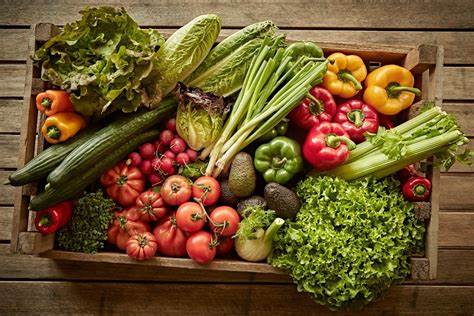
Do Karnataka’s many organic stores guarantee organic produce?
Several organic stores have mushroomed across Bengaluru recently, promising consumers a healthier, cleaner and more ethical way of eating. Neatly arranged shelves, earthy décor and labels proclaiming "100% organic" have become symbols of a growing lifestyle movement. But beneath the attractive packaging lies a question that deserves far greater scrutiny: how much of what is sold as organic is genuinely or ganic? The premium attached to organic produce is substantial.
Consumers willingly pay two or even three times the price of conventionally grown fruits, vegetables and grains because they believe they are buying food free from harmful chemicals. Yet, in most cases, they have little means of verifying those claims. Many simply trust the label, the ambience of the store or the assurances of the salesperson. That is hardly the It was conceived as a return to responsible farming, not as a luxury badge for the affluent.
If foundation on which a market built on credibility should rest. Organic farming is undoubt edly a commendable prac tice. It promotes healthier soil, reduces dependence on syn thetic chemicals and encour ages sustainable agriculture. Farmers who genuinely follow organic methods deserve ev- ery bit of support. The problem arises when the term "organic" becomes more of a marketing slogan than a guarantee of authenticity. This is where regulators have failed consumers.
While certification systems exist, enforce ment remains patchy and public awareness is poor. Random inspections, rigorous residue sive tomato is not necessarily a cleaner tomato. Blind faith in branding is no substitute for informed pur chasing. Asking questions about sourcing, check ing certification testing and severe penalties for false claims should be come routine rather than ex ceptional. Every retailer claiming to sell or ganic produce must be able to produce valid certification without hesitation.
Transparency should be the norm, not a favour. Consumers, too, must resist the temptation to equate higher prices with higher integrity. An expensive tomato is not necessarily a cleaner tomato. Blind faith in branding is no substitute for informed pur chasing. Asking questions about sourcing, check ing certification and supporting trusted local growers are sim ple but necessary steps. The organic move ment should never become another avenue for profiteering.It was conceived as a return to responsible farming, not as a luxury badge for the affluent. If trust is eroded by misleading claims and lax oversight, genu ine farmers will suffer alongside consumers. Organic food should com mand a premium because of its quality, not because of clev er marketing. Until transparen cy becomes non-negotiable, shoppers would do well to treat every "organic" label with cau tious optimism rather than un questioning belief.
.jpg)




.jpg)