.jpg)


.jpg)

 English daily published in Bengaluru & Doha

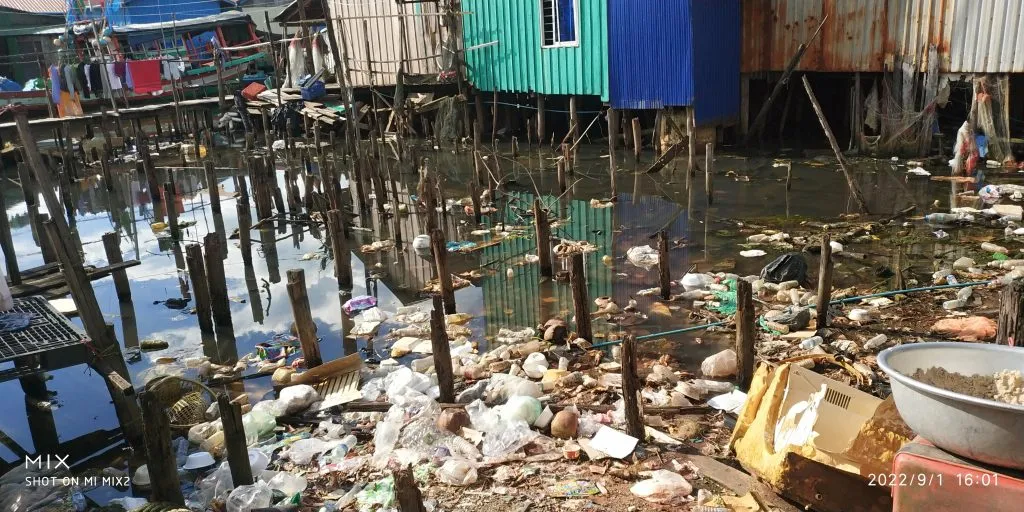
Stagnant water, garbage dumps and clogged roads: Medical experts note rising cases of H1N1 and dengue
Bengaluru
The long-awaited showers that had seemed to elude Namma Bengaluru have finally arrived. While the cool weather may call for a piping hot cup of tea, it has also brought with it the uninvited guest of monsoon seasonal illnesses. Doctors say that residents who frequently travel outdoors, get drenched in the rain, or remain exposed to cold winds and mosquitoes are increasingly reporting symptoms such as viral fever, common cold, cough, and dengue. “Dengue and other mosquito-borne diseases usually increase during the monsoon.
However, at present we are also seeing a rise in H1N1 (Influenza) cases”, said Dr Krithika Ganesh, Consultant in Family Medicine, Bengaluru. She added that many common monsoon-related illnesses are also on the rise. According to her, patients with influenza typi cally present with fever, cold, cough, headache, and body aches in the initial stages. She noted that individuals who are immunocom promised with diabetes, heart disease, asthma, or other conditions that weaken immunity are at greater risk, as what begins as a mild infection can spread to the lungs and develop into pneumonia. “Constant monitoring is important in Dengue cases,especially if the cough or other symptoms worsen”, she said.
Dr Ganesh explained that dengue can initially resemble a simple fever or cold, with symptoms such as high fever, severe body pain, head ache, pain behind the eyes, lower back pain, and sometimes rashes. In some cases, compli cations may arise when platelet counts begin to fall, leading to bleeding gums, blood in urine or stool, and other warning signs. She added that rare but serious cases can progress to ‘dengue shock’, where blood pressure drops and hospitalisation becomes necessary.
Emphasising prevention, Dr Ganesh advised people to eat nutritious food, get adequate sleep, and main tain good hand hygiene to strengthen immunity. She added that individu als working in air-conditioned corporate offices with closed ventilation systems should take extra precautions, including wearing masks when necessary. “Adequate hydration is important during febrile illnesses, and self-medica tion with painkillers such as ibuprofen or aspirin should be avoided when dengue is suspected because of the risk of bleeding”, advised Dr G. Nasiruddin, Consultant, Internal Medicine, Fortis Hospital.especially if the cough or other symptoms worsen”, she said.
Dr Ganesh explained that dengue can initially resemble a simple fever or cold, with symptoms such as high fever, severe body pain, head ache, pain behind the eyes, lower back pain, and sometimes rashes. In some cases, complications may arise when platelet counts begin to fall, leading to bleeding gums, blood in urine or stool, and other warning signs. She added that rare but seri He emphasised that individuals experiencing per- sistent high fever, severe abdominal pain, vomiting, bleeding symptoms, extreme weakness, or any worsening of symptoms should seek medical atten tion without delay.
According to him, early medical evaluation and appropriate monitoring can play a crucial role in reducing the risk of com plications. Dr Javeria Afshan, Con sultant Physician at Asian Hospital, stressed the im portance of preventing rapidly spreading mon soon illnesses, particularly vector-borne diseases and respiratory infections such as Upper Respiratory Tract Infection (URTI) and Lower Respiratory Tract Infection (LRTI). “People should avoid stagnant water, keep their surroundings clean, ensure proper garbage disposal, and install mosquito meshes or nets on windows and doors”, she said. For children, she suggested using eucalyptus oil or other mosquito repellents. She pointed out that garbage accumulation, clogged drains, and ongoing construction activities across the city often be come breeding grounds for mosquitoes. Families living in crowded or low-income areas are particularly vulnerable due to water stagnation and poor sanitation.



.jpg)
