.jpg)


.jpg)

 English daily published in Bengaluru & Doha

Kefir: The feel-good stuff
NT Features
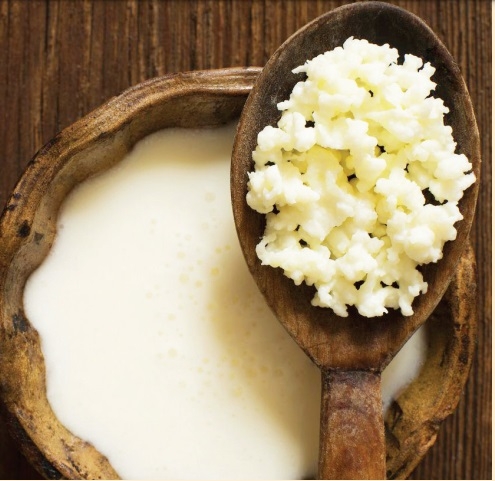
Kefir is all the rage in natural health communities. This fermented food has been around for beyond millennia, originating by the Caucasus Mountains, near modern-day Turkey. The word kefir is derived from the Turkish word “keif,” which translates to “good feeling.”
Though both Greek yoghurt and kefir are prepared with milk and are fermented meals, Greek yoghurt is created with cultivated bacteria, and kefir is made using kefir grain, which contains everything needed to ferment the milk. (Kefir grain is not cultivated on a field. It’s called so because it resembles a grain of rice.
Finally, kefir undergoes many fermentation stages, whereas yoghurt only undergoes one, and kefir ferments for a longer period of time than yoghurt. These distinctions have an influence on more than just texture; they also have an impact on the nutritional value of each fermented dairy dish. Kefir grains may be purchased online, allowing anybody to make their own fermented beverages.
HEALTH BENEFITS
Healthy gut
Fermented foods like kefir are rich in probiotics, which are good bacteria that can aid digestion and immunity. Kefir contains tryptophan, an essential amino acid that scientists believe has a relaxing effect on the nervous system, which helps the body with the processes that move food through the digestive tract.
Antibacterial properties
It’s weird that kefir, which is loaded with bacteria, helps protect against certain strains of bad bacteria, but it’s true. Kefir grains contain up to 61 strains of bacteria and yeasts, making them a very rich and diverse probiotic source. Certain probiotics in kefir are believed to protect against infections. This includes the probiotic Lactobacillus kefiri, which is unique to kefir. Studies demonstrate that this probiotic can inhibit the growth of various harmful bacteria, including Salmonella, Helicobacter pylori and E. coli. Kefiran, a type of carbohydrate present in kefir, also has antibacterial properties.
Strong bones
Kefir promotes strong bones and helps protect against osteoporosis and fractures. Osteoporosis is characterized by deterioration of bone tissue. It is especially common among older women and dramatically raises your risk of fractures. Ensuring an adequate calcium intake is one of the most effective ways to improve bone health and slow the progression of osteoporosis. Full-fat kefir is not only a great source of calcium but also vitamin K2 — which plays a central role in calcium metabolism. Supplementing with K2 has been shown to reduce your risk of fractures by as much as 81%. Recent studies link kefir to increased calcium absorption in bone cells. This leads to improved bone density, which helps prevent fractures.
Lower cholesterol
A 2017 study looked at changes in cholesterol levels among females with obesity who drank kefir. The participants drank four servings a day of kefir. After 8 weeks, they showed significant decreases in their total cholesterol levels, and in their low-density lipoprotein cholesterol levels, The probiotics in kefir play a role in how much cholesterol the body absorbs from food. They also affect how the body produces, processes, and uses cholesterol.
Anticancer properties
A few animal studies found that kefir has the ability to inhibit the growth of tumours, but again, more research is needed to learn whether the same effects would be seen in humans. The probiotics in fermented dairy products are believed to reduce tumour growth by stimulating your immune system. Therefore, it is possible that kefir may fight cancer.
Blood sugar control
A 2015 study found that study participants with type 2 diabetes who drank 600 millilitres (about 2.5 cups) of kefir each day had lower HbA1C readings — a two- to three-month average of blood sugar levels — than those in the control group. A 2020 review suggests that kefir could have a range of benefits for people with diabetes and obesity. It modulates diabetes-related markers.
.jpg)




