.jpg)


.jpg)

 English daily published in Bengaluru & Doha

On An Uncertain Trajectory
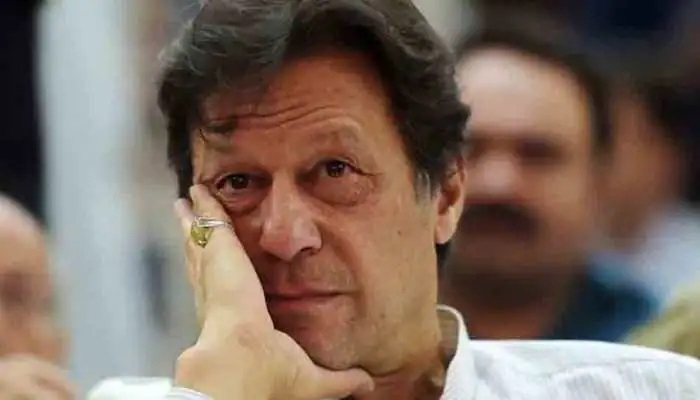
With the latest political transition, Pakistan has remained loyal to the tradition of not allowing elected governments run their full term. The nation enters an era of political uncertainty after the Imran Khan-led Pakistan Tehrik e Insaf Party (PTI) was ousted from power. The new coalition being ushered into office will be a rag-tag combination of parties sharing no ideology and no congruous plan of action.
However, the current turn of events has a sliverlining. The powerful Army establishment kept itself away during the entire episode, although one cannot be sure if there were any backstage manoeuvres. Secondly, the Pakistan Supreme Court scrupulously played by the rulebook. Amidst Imran Khan’s intense struggle to cling to the seat of power, the Court not merely upheld the letter but even the spirit of the nation’s Constitution. With bickering within the coalition and defections from his party, Khan should have been the first man to be sure of loss of majority in the 342-member lower house of the National Assembly. But he did not choose the dignified way and exit. Khan, the Speaker and his deputy chose to prolong their reign turning the nation into a theatre of the absurd through chicanery, gimmickry and skullduggery. The week-long political drama over dissolution of the House prior to the trust vote and the complicity between the President and the Prime Minister has only exposed the structural flaws of the Pakistan Constitution and the scope its offers to politicians to subvert the rule book.
With General Elections still 18 months away, the trajectory for the new Government—with Shahbaz Sharif in the prime ministerial chair—is vague. The two main opposition parties i.e., Pakistan People’s Party and Pakistan Muslim League (N) will obviously be the mainstay of the new government. Having been in power alternately for several years, the parties had nothing to share except the lust for power. Opposition to Mr Khan and his PTI will be the only glue for them in a House where Khan still controls the largest number of members. Besides, they would have to contend with a lot of small political outfits and malcontents from the PTI whose switchover of loyalty ended Khan’s tenure in office.
Pakistan’s had a turbulent relationship with democracy. Populism, patronage, feudal loyalties and tribal affinities define party objectives and determine policies. Though religious parties garner few votes, they can shape the narrative with their emotive appeal. Military being the most organized force within Pakistan, it has regularly intervened in the polity with the country witnessing four coups allowing it to rule for a little less than half the period since the country came into existence. The nation has ratified three Constitutions since 1947, has had both presidential and parliamentary form of government and had only a single government completing its full term. Amid the anarchic behavior of politicians and parties, the danger of a military takeover is ever present. But as of now the new dispensation moving into the saddle will have to urgently take up the challenge of addressing the economic woes of the people. Pakistan’s forex reserves are running low, balance of trade is yawning, militancy is on the rise in the wake of Taliban ruling Afghanistan and the local currency is tumbling to new lows.
.jpg)
.jpg)
.jpg)
.jpg)
.jpg)
.jpg)