.jpg)


.jpg)

 English daily published in Bengaluru & Doha

Taming inflation: RBI must do soul searching
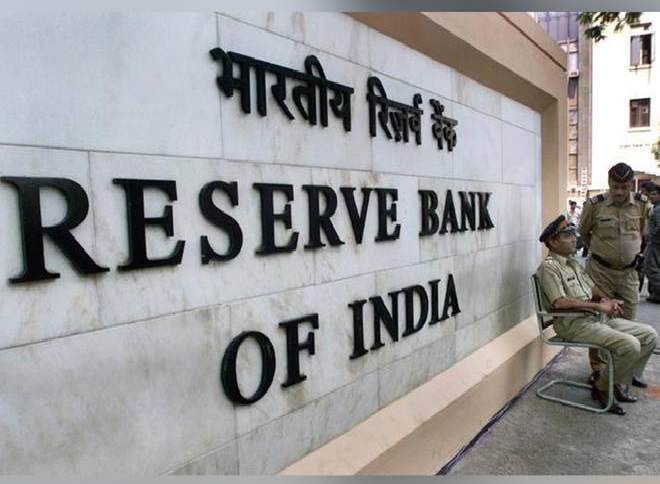
The Reserve Bank of India (RBI) has called for a special meeting of the Monetary Policy Committee (MPC) on November 3, to prepare its report on missing inflation targets. It is a sign that all is not well on the inflation front. This meeting is happening for the first time since the implementation of the monetary policy framework in 2016.
The framework mandates the RBI to maintain retail inflation at four per cent with a margin of two per cent on either side. However, retail inflation has been above six per cent since January 2022. In fact in September, it actually rose to 7.41 per cent from 7 per cent in August. As mandated by Section 45ZN of the RBI Act, the central bank has to send a report to the Central Government on the reasons for the failure to achieve the inflation target and the proposed remedial action.
RBI Governor Shaktikanta Das had said the report will not be made public, but it is not clear whether the government will also do the same. Higher inflation has been a concern for central banks across the globe, as the Russia-Ukraine war is showing no sign of any cessation of hostilities. The war has compounded the supply-side disruptions caused by the Covid-19 pandemic and disrupted whatever little recoveries were being made after the opening of the economy after the pandemic.
The RBI on its part has been trying to contain inflation by increasing the repo rate — the rate at which it lends to the banks, in order to curb excess liquidity. The central bank has increased the repo rate by 190 basis points in recent times. The US Federal Reserve and the European Central Bank have also carried out unprecedented rate hikes this year. The factors fuelling the current inflation are external as well as internal.
The Ukraine war has disrupted the supply chains of key commodities such as coal, metals, edible oils, and crude oil. It may be noted that India meets 85% of its crude needs through imports. The hardening of the US dollar following a series of rate hikes has taken a heavy toll on the rupee. This has led to inflated import bills and taken a toll on the country’s forex reserves.
On the domestic front, the delayed withdrawal of monsoon and intense wet spells in various regions are impacting vegetable prices. The fall in kharif and rabi acerage this year due to erratic weather has led to lower procurement. These could impact food inflation in the coming quarters. Hence it is a testing time for Indian households, many of whom are struggling to come out of the economic hardships caused by the pandemic. The RBI and central government should frame policies to lessen their burden. The recent hike in GST for several daily essential items such as curd, lassi and rice was totally uncalled for.
.jpg)
.jpg)
.jpg)
.jpg)
.jpg)
.jpg)